
Reverse swing has emerged as a significant weapon in One-Day International cricket following a change to the playing conditions, creating fresh challenges for batters in the latter stages of innings.
Under a rule introduced in July 2025, captains can choose one of the two white balls in use after 34 overs. The selected ball is then used for the remaining 16 overs, allowing it to become older and rougher and potentially giving fast bowlers greater assistance.
The change was introduced to provide bowlers with more opportunities as the innings progresses.
Greater Swing in the Final Overs
According to the statistics cited in the report, fast bowlers have recorded more than one degree of swing on half-length deliveries during the final 10 overs since the rule change. The rate is reportedly around 35% higher than previously recorded.
Bowling has also become more economical in the final five overs, with the average economy rate falling from 8.40 to 7.95 runs per over.
The figures suggest that the altered ball-selection rule is giving fast bowlers greater movement with the ball during a period traditionally dominated by aggressive batting.
Pakistan’s Shaheen, Naseem Could Benefit
England head coach Brendon McCullum reportedly advised his players to consider adapting their strategies to the new conditions after their defeat against Sri Lanka.
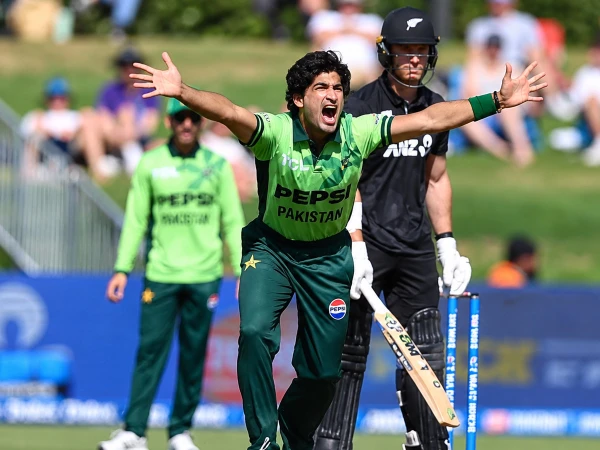
The development could also prove significant for international fast bowlers such as Pakistan’s Shaheen Shah Afridi and Naseem Shah, particularly during the closing overs of ODI innings.
Shaheen has reportedly been generating an average of 1.3 degrees of swing in the final overs, highlighting the potential impact of the rule change on Pakistan’s pace attack.