
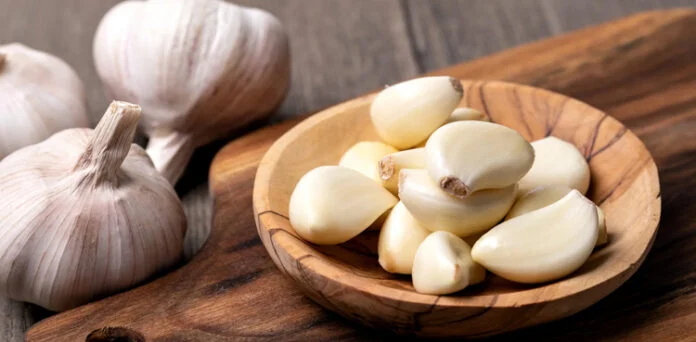
ISLAMABAD, October 10, 2026: Eating raw garlic first thing in the morning is a popular dietary practice among people seeking natural ways to support their health. Although garlic contains beneficial compounds, including antioxidants and allicin, eating it on an empty stomach is not suitable for everyone.
Nutrition experts note that garlic may offer certain health benefits when consumed as part of a balanced diet. However, it should not be considered a substitute for medical treatment or a healthy lifestyle.
Can Raw Garlic Support Immunity?
Garlic contains sulfur compounds and antioxidants that may help support the body’s natural defence mechanisms.
However, a strong immune system depends on several factors, including a balanced diet, adequate sleep, regular physical activity and overall health. Eating garlic alone cannot guarantee better immunity or prevent illness.
Potential Benefits for Heart Health
Garlic may also support certain aspects of cardiovascular health. When a garlic clove is crushed or finely chopped, chemical reactions help produce allicin, one of its best-known sulfur-containing compounds.
Research has suggested that garlic supplementation may help improve certain cardiovascular risk factors, including blood pressure and cholesterol, in some people. However, the effects can vary, and garlic should not replace prescribed medication or medical advice.
Does Raw Garlic Improve Digestion?
Some people consume raw garlic in the morning because they believe it improves digestion. Certain compounds in garlic may influence digestive processes and gut bacteria.
However, raw garlic can irritate the digestive system in some individuals. Possible side effects include:
Heartburn and acid reflux
Bloating and gas
Nausea
Stomach discomfort
People with sensitive stomachs may find raw garlic particularly difficult to tolerate when eaten before breakfast.
Who Should Avoid Garlic on an Empty Stomach?
People who regularly experience acidity, heartburn or digestive discomfort should be cautious about eating raw garlic on an empty stomach.
Taking garlic with food rather than eating it alone may make it easier to tolerate. Anyone who experiences repeated discomfort after consuming garlic should reduce their intake or avoid it.
People taking blood-thinning medication should also consult their healthcare professional before using large amounts of garlic or garlic supplements, as garlic may increase bleeding risk.
Antioxidants in Garlic
Garlic contains antioxidant compounds that may help protect cells against oxidative stress. Nevertheless, a varied diet is a more reliable way to obtain a broad range of nutrients and antioxidants.
Fruits, vegetables, whole grains, legumes and nuts can all contribute to a balanced eating pattern.
Can Raw Garlic Help With Weight Loss?
Garlic is sometimes promoted as a natural weight-loss remedy, but strong evidence that eating raw garlic alone produces significant weight loss is lacking.
Garlic is low in calories and can add flavour to meals without requiring excessive salt or high-calorie sauces. Sustainable weight management depends primarily on balanced eating habits, physical activity and overall energy intake.
How Much Raw Garlic Should You Eat Daily?
There is no single daily amount of raw garlic that is necessary or appropriate for everyone.
People who wish to include it in their diet can start with a small amount and monitor how their bodies respond. Crushing or chopping garlic helps produce allicin, but consuming larger quantities does not necessarily provide greater benefits.
Is Raw Garlic Safe on an Empty Stomach?
For some healthy adults, a small amount may be tolerable. For others, eating raw garlic before breakfast can trigger acidity, heartburn, nausea or stomach pain.
The key takeaway: Garlic can be part of a healthy diet, but there is no need to eat it on an empty stomach to obtain its potential benefits. If it causes digestive discomfort, consuming it with food or avoiding it may be a better choice. Seek medical advice if symptoms persist.