
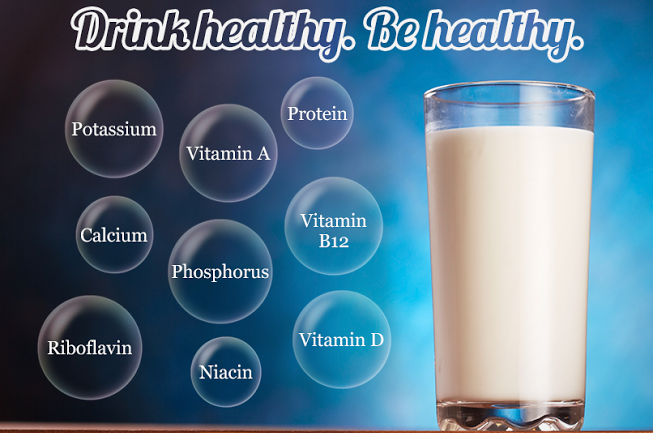
Milk is a nutrient-rich food that provides several essential vitamins and minerals. When included as part of a balanced diet, it may offer a range of potential health benefits, from supporting bone strength to providing protein and key micronutrients.
1. Supports Strong Bones and Teeth
Milk provides calcium, phosphorus and vitamin D, nutrients that play important roles in maintaining healthy bones and teeth. Adequate intake of these nutrients can support bone density and overall skeletal health.
2. Supports Muscle Growth and Recovery
Milk contains high-quality protein, including all nine essential amino acids. Protein is important for maintaining muscle and supporting muscle repair and recovery, particularly after physical activity.
3. May Support Heart Health
Milk is a source of potassium, a mineral involved in maintaining normal blood pressure and fluid balance. Adequate potassium intake can help support cardiovascular health as part of an overall healthy diet.
4. Supports Energy Metabolism
Milk contains several B vitamins, including riboflavin (B2) and vitamin B12. These vitamins help the body process nutrients and support normal energy metabolism.
5. May Support Relaxation and Sleep
Milk contains tryptophan, an amino acid involved in the production of serotonin and melatonin. These compounds play roles in mood, relaxation and the body’s sleep-wake cycle. However, drinking milk should not be considered a guaranteed treatment for sleep problems.
Bottom Line
Milk can provide important nutrients including protein, calcium, phosphorus, potassium and B vitamins. Its benefits depend on the overall diet and individual nutritional needs, and people who are lactose intolerant or allergic to dairy may need suitable alternatives.