
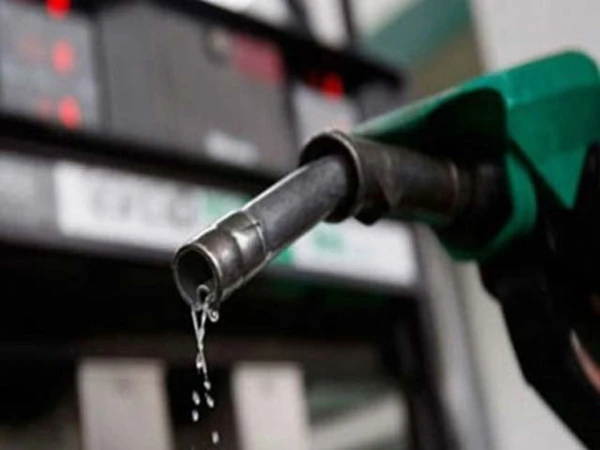
According to a notification issued by the Oil and Gas Regulatory Authority (OGRA), the revised prices took effect on Friday, November 6, bringing petrol down to Rs352.59 per litre and high-speed diesel to Rs382.25 per litre.
Latest petrol and diesel prices in Pakistan
| Petroleum product | Previous price | New price | Reduction |
|---|---|---|---|
| Petrol | Rs362.00 | Rs352.59 | Rs9.41 |
| High-speed diesel | Rs387.81 | Rs382.25 | Rs5.56 |
Despite the reduction, petroleum taxation remains substantial, with the government continuing to collect approximately Rs114 per litre in taxes and duties on petrol and Rs100 per litre on diesel.
The latest adjustment follows a government arrangement requiring oil refineries to absorb part of the petroleum levy burden for 30 days. Under the arrangement, refineries will bear a combined financial impact of Rs15 billion, helping provide relief to consumers.
The government has said the arrangement enables a reduction of Rs14.71 per litre in the consumer price of petrol.
Petroleum Minister Ali Pervaiz Malik has also indicated that the government is exploring a similar mechanism for liquefied petroleum gas (LPG) to ease pressure on household energy expenses.
Fuel prices decline from April peaks
The latest reduction comes after sharp increases in domestic petroleum prices earlier in 2026, when tensions and military conflict involving the United States and Iran disrupted international energy markets.
Petrol had climbed to Rs458.41 per litre on April 3, while high-speed diesel reached Rs520.35 per litre during the same period.
With the latest revision, petrol is now Rs105.82 per litre below its April peak, while diesel has declined by Rs138.10 per litre.
The government has also introduced energy conservation measures in response to the impact of the Middle East conflict, including restrictions on market operating hours and reductions in fuel allocations for official vehicles.
In September, Prime Minister Shehbaz Sharif announced a targeted fuel relief programme for eligible motorcycle users, rickshaw operators and owners of vehicles with engines of up to 800cc.
Impact on transport and consumers
Petrol prices directly affect motorcycle riders, private motorists, rickshaw operators and other daily commuters, while diesel prices influence freight transportation, public transport, agriculture and industrial operations.
Lower diesel prices may help reduce operating expenses for transport businesses, although any reduction in passenger fares or goods transportation charges will depend on decisions by operators and relevant authorities.
Pakistan has moved towards more frequent petroleum price adjustments in response to international oil price volatility, with OGRA assigned responsibility for determining prices in line with prevailing market conditions.
The latest cut provides some relief to consumers, although domestic fuel prices remain elevated compared with levels recorded before the sharp increases earlier this year.