
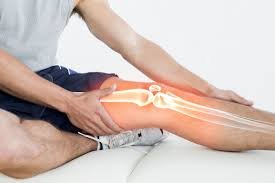
Joint pain and stiffness can become more noticeable during winter as temperatures drop. People experiencing discomfort in their knees, fingers and hips may find it particularly difficult to get out of bed in the morning and carry out everyday activities.
Medical experts say cold weather does not directly cause joint diseases. However, changes in temperature and air pressure, combined with reduced physical activity, may make existing pain feel worse.
Spending more time sitting or staying indoors can also limit joint movement and affect muscle strength. Experts suggest several simple lifestyle changes that may help manage discomfort and keep the body active.
1. Make Gentle Exercise Part Of Your Daily Routine
Getting out of bed to exercise can feel difficult during cold weather, but prolonged inactivity may increase joint stiffness.
Daily physical activity, including morning stretching, chair yoga and gentle walking, can help keep joints moving. Gentle exercises such as Tai Chi may also improve balance and mobility.
According to the US Centers for Disease Control and Prevention (CDC), staying physically active can help people with arthritis reduce pain and maintain their ability to perform everyday activities.
2. Keep Your Body Warm
Keeping the body comfortably warm is another important way to manage joint discomfort during winter.
Wear warm socks, gloves and weather-appropriate clothing, particularly if your hands, fingers or knees are affected. Wearing several light layers instead of one heavy garment can make it easier to adjust to changing temperatures.
Warm blankets and maintaining a comfortable indoor temperature may also provide relief. Heat can relax the muscles surrounding joints and help reduce the sensation of stiffness, making everyday movements easier.
Dressing warmly may also make it more comfortable to spend time outdoors and get some sunlight.
3. Use Pain Relief Medication With Medical Advice
Pain-relief medicines may help manage joint discomfort, but they should be taken after consulting a doctor. The appropriate treatment depends on the individual’s condition and medical history.