
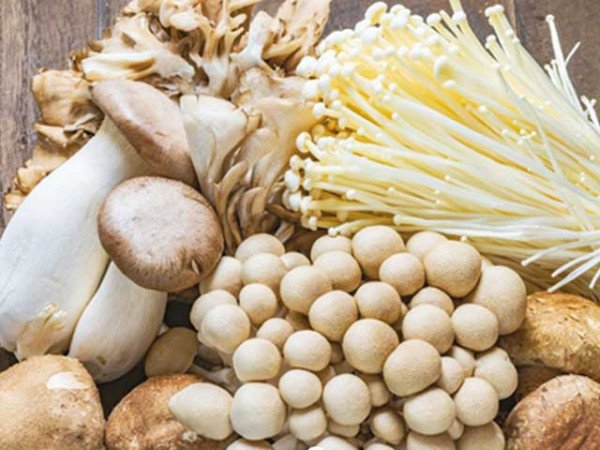
Mushrooms are a nutrient-rich food that can be a valuable addition to a balanced winter diet. They contain several essential vitamins, minerals and other beneficial compounds while being relatively low in fat, calories and sodium.
According to the information provided, mushrooms contain phosphorus, B vitamins, selenium, iodine, copper and potassium, all of which support normal body functions and overall health.
1. Provide Essential Nutrients
Mushrooms contain a variety of important vitamins and minerals, including phosphorus, B vitamins, selenium, iodine, copper and potassium. These nutrients are needed by the body for normal functioning and overall development.
2. Support Bone Health
Mushrooms can also provide vitamin D, particularly vitamin D2, which plays an important role in maintaining healthy bones by helping the body use calcium.
3. Help Support Red Blood Cell Production
Mushrooms contain iron, an essential mineral involved in the production of red blood cells. Iron helps transport oxygen to different parts of the body.
4. Support Normal Immune Function
Mushrooms contain beneficial nutrients and bioactive compounds, including triterpenoids, which may help support the normal functioning of the immune system.
A properly functioning immune system helps the body defend itself against various illnesses.
5. Provide Antioxidant Compounds
Mushrooms contain antioxidant compounds, including a phytochemical called ergothioneine.
Antioxidants help reduce the effects of free radicals produced through oxidation in the body.
6. Promote Digestive Health
Mushrooms are also a good source of dietary fibre, which supports intestinal health and helps maintain normal digestive function.
Including mushrooms in a balanced winter diet can therefore provide several nutritional benefits.