
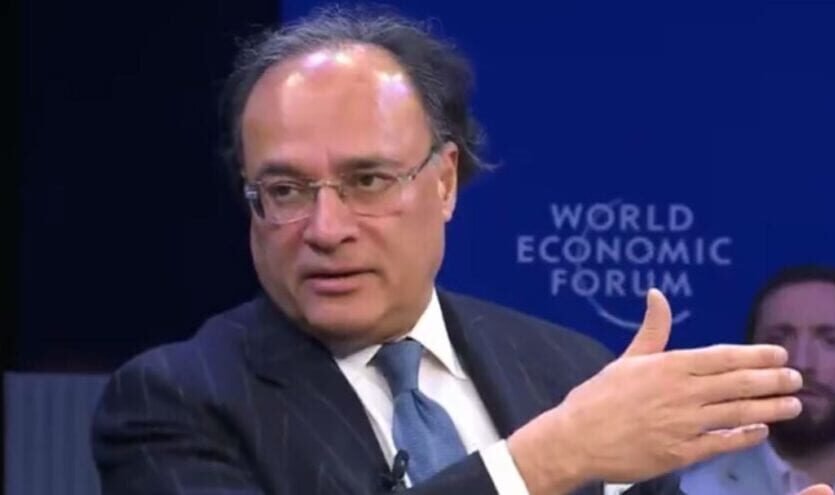
ISLAMABAD, Sunday, September 20, 2026: Finance Minister Muhammad Aurangzeb has warned that long marches, sit-ins, strikes and road closures could cost Pakistan’s economy an estimated Rs120 billion a day, as the government seeks to move from economic stabilisation towards sustained growth.
In a video statement on Sunday, Aurangzeb said the estimate was prepared following consultations with the Planning Commission’s economic wing, taking into account previous disruptions and prevailing economic conditions.
The finance minister said disruptions to commercial activity could hit major sectors of the economy, with services expected to bear the largest share of the losses.
Services sector could lose Rs86bn daily
According to Aurangzeb, the services sector could suffer losses of around Rs86 billion per day, covering areas including financial services, communications, transport, wholesale and retail trade and hospitality.
The industrial sector could lose another Rs25 billion daily, with construction, manufacturing, raw materials and supply chains potentially affected.
Agriculture could face an estimated Rs9 billion in daily losses, particularly through disruptions to transportation, perishable goods, dairy supply chains and agricultural trade. Together, the three sectoral estimates make up the projected Rs120 billion daily economic impact.
Aurangzeb separately estimated that interruptions to economic activity could result in around Rs17 billion per day in lost government revenue.
He said the immediate impact of prolonged disruption would also be felt by daily-wage workers, small shopkeepers and businesses whose earnings depend on uninterrupted economic activity.
Aurangzeb says Pakistan moving towards growth
Highlighting recent economic indicators, the finance minister said Pakistan’s foreign exchange reserves had reached $21.4 billion, while the fiscal deficit had fallen to 2.6%, which he described as a 22-year low.
He said GDP grew by 3.7% last year and was expected to exceed 4% this year, while remittances and IT services exports were also showing growth. These figures reflect the government’s assessment of the economy’s current trajectory.
Aurangzeb argued that protests and prolonged disruption at this stage could undermine the transition from stabilisation to growth, describing the potential economic damage as “self-inflicted pain.”
Middle East tensions add pressure
The finance minister also pointed to developments in the Middle East as an external challenge for Pakistan, saying supply-chain disruptions and higher freight and insurance costs were putting pressure on international trade.
He urged political and other stakeholders to resolve their differences through dialogue rather than measures that disrupt economic activity.