
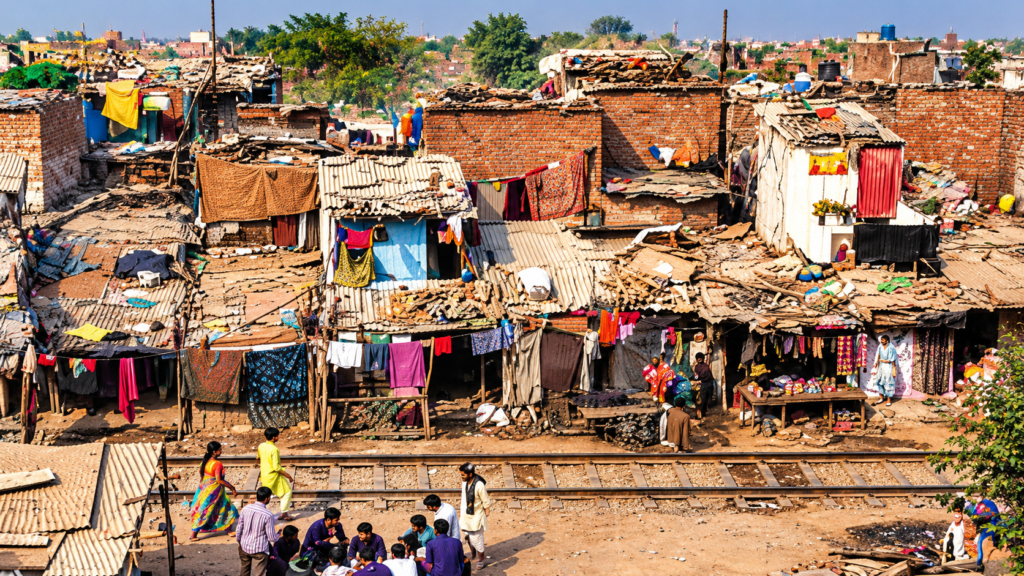
ISLAMABAD, October 29, 2026: The federal government is considering changes to Pakistan’s poverty measurement system to better assess the impact of climate change, economic instability and social inequalities on vulnerable populations.
The proposed reforms aim to update the country’s Multidimensional Poverty Index (MPI) by incorporating additional indicators that reflect emerging challenges affecting household welfare and living standards.
The Ministry of Planning, Development and Special Initiatives has held consultations with the Oxford Poverty and Human Development Initiative (OPHI) at the University of Oxford to explore improvements to the existing framework.
Under the proposals, the government would examine whether factors such as climate-related disasters, population pressures, insecurity, youth deprivation, gender inequality, digital exclusion, malnutrition, childhood stunting and displacement should be incorporated into poverty assessments.
The existing MPI primarily measures deprivation across three dimensions: health, education and living standards.
Ahsan Iqbal highlights economic and climate challenges
Speaking at a memorandum of understanding signing ceremony with OPHI, Federal Minister for Planning Ahsan Iqbal said political instability, inconsistent policies, economic crises and climate-related shocks had undermined Pakistan’s previous development gains.
He stressed the importance of restoring investment in social sectors, empowering local governments and using reliable poverty data to guide national development priorities.
The minister identified political instability, economic disruptions, inconsistent development policies, the COVID-19 pandemic and devastating floods among the factors contributing to rising poverty.
He also warned that economic growth failing to keep pace with population growth could make it increasingly difficult to generate employment, reduce poverty and provide opportunities for the country’s expanding workforce.
New poverty assessment to use 2026–27 survey data
According to the Planning Ministry, the proposed review will draw on findings from the Pakistan Social and Living Standards Measurement Survey 2026–27.
Officials said the inclusion of additional poverty indicators would depend on the availability of reliable data and scientifically sound measurement methods.
The proposed cooperation between the ministry and OPHI also includes analysing multidimensional poverty at the level of National Assembly and provincial assembly constituencies.
Data from the 2023 Population and Housing Census could be used to support constituency-level assessments.
According to officials, the Pakistan Bureau of Statistics has already prepared a constituency-level poverty analysis. However, the government has not made a final decision on releasing the findings publicly, reportedly because of concerns about their potential political implications.
The proposed changes are intended to provide a more comprehensive understanding of deprivation across Pakistan and help policymakers identify communities requiring targeted development assistance.
A key challenge will be ensuring that improved poverty measurements translate into effective policies and the allocation of development resources to underserved populations.