
ISLAMABAD: Pakistan has launched its National Mental Health Policy 2026-2035, aiming to expand access to care for more than 32.4 million people estimated to be in need of mental health services across the country.
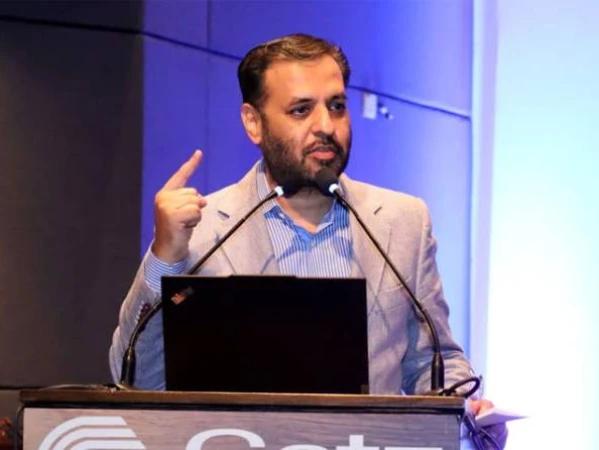
The policy was launched by Federal Health Minister Syed Mustafa Kamal at the Pakistan Global Mental Health Summit in Islamabad, held in partnership with the World Health Organization (WHO), UNICEF and the Global Institute of Human Development at Shifa Tameer-e-Millat University.
According to WHO estimates cited at the summit, around 32.4 million people in Pakistan need mental health care, while only about 5 per cent of the population currently has access to such services.
This leaves a treatment gap of approximately 95 per cent.
The shortage of trained professionals remains another major challenge. Pakistan has around 0.19 psychiatrists per 100,000 people, compared with an average of seven per 100,000 in high-income countries.
Speaking at the launch, Health Minister Syed Mustafa Kamal described mental health as both a national security and economic issue, saying a coordinated response was needed across ministries, institutions and society.
He said the summit must lead to practical action and thanked national and provincial authorities, along with international and local partners, for working together on the issue.
Minister of State for Health Dr Malik Mukhtar Ahmad Bharath said the new policy represented a shared commitment to bring mental health services closer to families.
He said the government would work with provincial authorities to translate the policy into practical measures in schools, primary healthcare facilities and communities.
WHO Director-General Dr Tedros Adhanom Ghebreyesus said investment in mental health could generate substantial social and economic returns.
He said every dollar invested in addressing conditions such as depression and anxiety could yield four dollars in returns through better health and higher productivity.
UNICEF Representative in Pakistan Pernille Ironside said children and adolescents should remain at the centre of mental health efforts, particularly through prevention, early identification and care.
She said climate change and digital environments were increasingly affecting young people and that mental health resilience should form part of efforts to build healthier and more resilient generations.
Dr Syed Usman Hamdani, Director of the Global Institute of Human Development, said Pakistan had made progress in research, policy development and community-based mental health interventions.
He said evidence showed that effective mental healthcare could be delivered through primary healthcare, schools and communities using scalable approaches.
The two-day summit, being held on October 1 and 2, has brought together around 800 participants in person and online, including mental health experts, academics, policymakers and international development partners.
Discussions are focused on evidence-based actions to advance the Comprehensive Mental Health Action Plan 2030 and strengthen Pakistan’s mental health system.
Pakistan also aims to establish the Global Mental Health Summit as a flagship international platform for mental health policy, implementation science, innovation and global partnerships.