
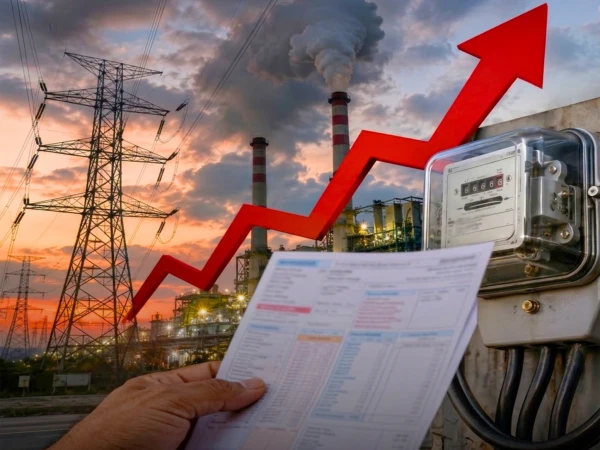
ISLAMABAD, November 5, 2026: Weaknesses in Pakistan’s electricity transmission network are preventing lower-cost power generated in Sindh and southern parts of the country from reaching major consumption centres, forcing greater reliance on expensive fuels and increasing electricity costs for consumers.
According to a private television report, infrastructure limitations within the National Grid Company (NGC) have restricted the transmission of electricity from comparatively cheaper domestic generation sources to the national grid.
The report said the transmission network lacks sufficient capacity to move available electricity efficiently from generation facilities to areas where demand is concentrated.
As a result, power producers are reportedly being forced to rely on more expensive generation sources, including re-gasified liquefied natural gas (RLNG) and imported coal, despite the availability of lower-cost electricity from domestic resources.
The transmission constraints are particularly affecting electricity generated from Thar coal, nuclear power plants and wind energy projects, according to the report.
These sources could help reduce overall electricity generation costs, but limitations in the transmission system are preventing their full utilisation.
The continued dependence on imported fuels increases the cost of electricity generation, adding pressure to the power sector and ultimately affecting consumers through higher electricity bills.
The situation also highlights a wider challenge in Pakistan’s energy sector, where electricity generation capacity does not always translate into affordable power because of limitations in the infrastructure required to deliver it.
The report indicated that technical bottlenecks are leaving part of the country’s comparatively cheaper electricity generation capacity underutilised while more expensive alternatives remain necessary to meet demand.
Improving transmission capacity and addressing network constraints would allow greater use of existing domestic power resources and reduce dependence on costly imported fuels.
The findings underscore the importance of strengthening Pakistan’s national transmission infrastructure to improve electricity supply efficiency and contain generation costs.