
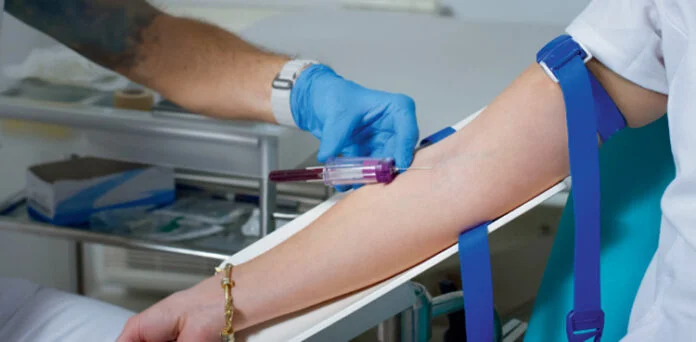
A blood test designed to help detect dozens of types of cancer at an early stage has moved closer to potential approval in the United States, following support from a US Food and Drug Administration (FDA) advisory panel.
The Galleri test, developed by biotechnology company GRAIL, is part of a new generation of multi-cancer early detection (MCED) tests designed to identify biological signals associated with cancer from a single blood sample.
The FDA has indicated that the potential benefits of the Galleri test outweigh its potential risks, a development that could pave the way for regulatory approval and potentially expand insurance coverage.
According to the company, Galleri can detect biological signals associated with more than 50 types of cancer and may help predict the tissue or organ where a cancer is likely to have originated.
The test analyzes biological markers released by tumors into the bloodstream. Artificial intelligence and machine-learning models are then used to interpret these signals and identify what the company describes as a potential cancer “fingerprint.”
However, a positive Galleri result does not confirm that a person has cancer. Additional diagnostic tests are required to determine whether cancer is actually present. Similarly, a negative result does not guarantee that a person is cancer-free.
Could It Help Fill a Gap in Cancer Screening?
In the United States, routine screening recommendations currently cover several major cancers, including breast, cervical, colorectal, prostate and lung cancers.
Different screening methods are used depending on the type of cancer. These include mammograms, Pap or HPV tests, stool-based testing or colonoscopy, low-dose CT scans and blood-based testing such as the PSA test used in prostate cancer screening.
The potential appeal of MCED tests is that they could provide a single, relatively simple blood-based approach for detecting signals linked to multiple cancers, including some cancers for which routine population screening is not currently available.
However, researchers and medical experts continue to debate whether detecting cancers earlier through such tests will ultimately improve patient outcomes and reduce cancer-related deaths.
Can a Blood Test Reduce Cancer Deaths?
Evidence on the long-term impact of multi-cancer blood tests is still developing.
A major UK study followed people aged 50 to 77 who did not have symptoms of cancer. According to GRAIL, an initial analysis did not show a significant overall increase in the detection of early-stage cancers or a significant reduction in late-stage cancer diagnoses compared with standard care.
However, full results presented in May reported that by the third stage of screening, there was a 26% reduction in stage-four diagnoses across 12 deadly cancer types.
These findings suggest that multi-cancer blood tests could potentially play a role in identifying certain cancers earlier, but researchers say further evidence is needed to determine whether earlier detection translates into longer lives and better outcomes.
A possible FDA approval of Galleri would therefore represent a significant regulatory development in cancer screening. However, it would be premature to view the test as a definitive cancer diagnostic tool or an immediate replacement for established screening methods.
The key question remains whether detecting cancer through a blood test can consistently identify disease early enough to improve treatment outcomes and reduce cancer mortality. The answer will depend on longer-term clinical evidence.