
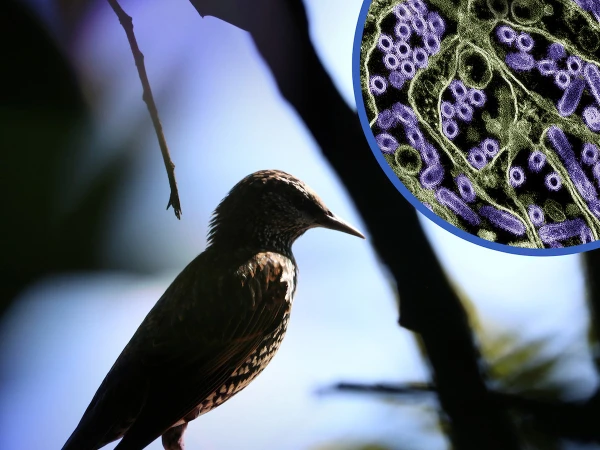
WELLINGTON: New Zealand has confirmed its first case of the highly pathogenic H5 bird flu virus, prompting authorities to strengthen surveillance and issue a public advisory aimed at preventing the spread of the disease.
According to local media reports, the virus was detected in a brown skua, a seabird found dead at Petone Beach near the capital, Wellington.
Biosecurity and Food Safety Minister Andrew Hoggard said the H5 virus had been identified in a single wild seabird and stressed that there is currently no evidence of widespread transmission or mass deaths among wild birds. He also confirmed that no poultry farms have been affected so far.
The development follows the confirmation of H5 bird flu cases in Australia last month, making New Zealand the latest country in the region to detect the virus.
Hoggard said the risk to the general public remains very low, noting that bird flu rarely infects humans and typically requires prolonged, close contact with infected birds. He also reassured consumers that properly handled poultry products and eggs remain safe to eat.
Authorities have advised the public not to touch sick or dead birds and to immediately report sightings of three or more sick or dead birds in the same location to the relevant authorities.
As a precautionary measure, New Zealand’s Department of Conservation has begun vaccinating around 300 breeding birds from some of the country’s rarest native species, including the kākāpō and takahē, to help protect them from any potential outbreak.
Experts note that the H5 bird flu virus has spread among wild birds and mammals in many parts of the world since 2021, leading to the deaths of millions of animals. The virus has also affected poultry and dairy farms in several countries, with a limited number of human infections reported among people with close exposure to infected animals.
Also Read : Food safty must Cyclospora Outbreak Spreads Across Nine U.S. States