
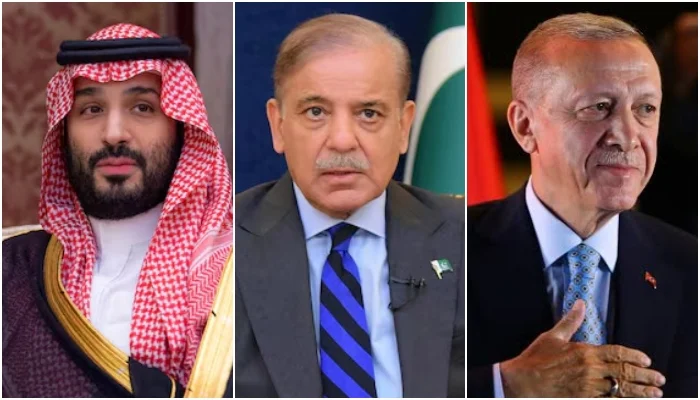
The strategic collective security agreement between Pakistan, Türkiye, and the Kingdom of Saudi Arabia (KSA) is the natural evolution and formal codification of decades of historic ties. Pakistan’s relationship with Türkiye predates its own independence, rooted in the Khilafat Movement (1919–1924). Likewise, Pakistan and Saudi Arabia have long shared close strategic, political, economic and people to people contact based on mutual trust and common interests.
A Changing Regional Environment
The region is undergoing a major strategic transformation and threats. Regional conflicts, security challenges, and changing character of warfare underscore more cooperation between those having common aspirations based on stability. In this environment, a trilateral framework offers a mechanism to preserve regional stability and strengthen *collective security, rather than any religio- based convergence.
A Defensive and Not an Offensive, Pact
The proposed Trilateral Defence Agreement is purely defensive. It is based on the principles of collective security and collective deterrence, ensuring that any external attack to one member becomes a threat for all three, since the cascading domino effects of any such physical attack hurts badly the stability and prosperity and future of all three plus the region. The agreement is not directed against any country and is intended to prevent conflict through credible deterrence while promoting peace and stability.
Three Nations, Three Strategic Strengths
The partnership brings together complementary strengths:
* *Pakistan’s military strength, battle hardened forces and strategic expertise based on astute management of escalation control through strength.
* Saudi Arabia’s centrality in the region, strong economy and powerful clear headed leadership.
* Türkiye’s advanced defence technology, resilience and industrial capabilities.
Together, these strengths guided by their respective strategic leaders create a balanced security architecture capable of addressing emerging regional challenges.
Pakistan as a Net Regional Stabiliser
Pakistan, post Mark e Haq and lead role in mediating Iran USA military conflict, is increasingly emerging as a net regional stabiliser. Pakistan sincere and competent leadership having constructive relations with Saudi Arabia, Türkiye, Iran, and others in the region and globally with the United States as well as China enables the role of a *trusted bridge between regional and global stakeholders.
Leadership Built on Sincerity, Clarity and Competence
The credibility of this framework rests on the sincerity, clarity, and competence of Saudi, Turkish and Pakistani leadership. These leaders have consistently demonstrated the ability to manage crises responsibly, combine military preparedness with strategic restraint, and pursue diplomacy without compromising national security.
Collective Security and Collective Deterrence
By pooling military capabilities, intelligence cooperation, and strategic coordination, the three countries establish a framework of collective security and collective deterrence. This significantly raises the cost of aggression while reducing the likelihood of conflict through credible defence cooperation.
Pakistan’s Emerging Strategic Role
The Trilateral Defence Pact is no Muslim NATO, it’s no nuclear backstopping, it represents the next logical step in the strategic partnership between Pakistan, Saudi Arabia, and Türkiye for common people centric prosperity. It is a *defensive, non-aggressive alliance designed to strengthen collective security and collective deterrence, not to target any state. It embodies self dependence rather looking for others for security, it codifies what was already there, it empowers stability and only makes the historical disrupters of peace in the region nervous.
Also Read: Pakistan, Somalia Agree to Expand Defence Cooperation and Military Training