
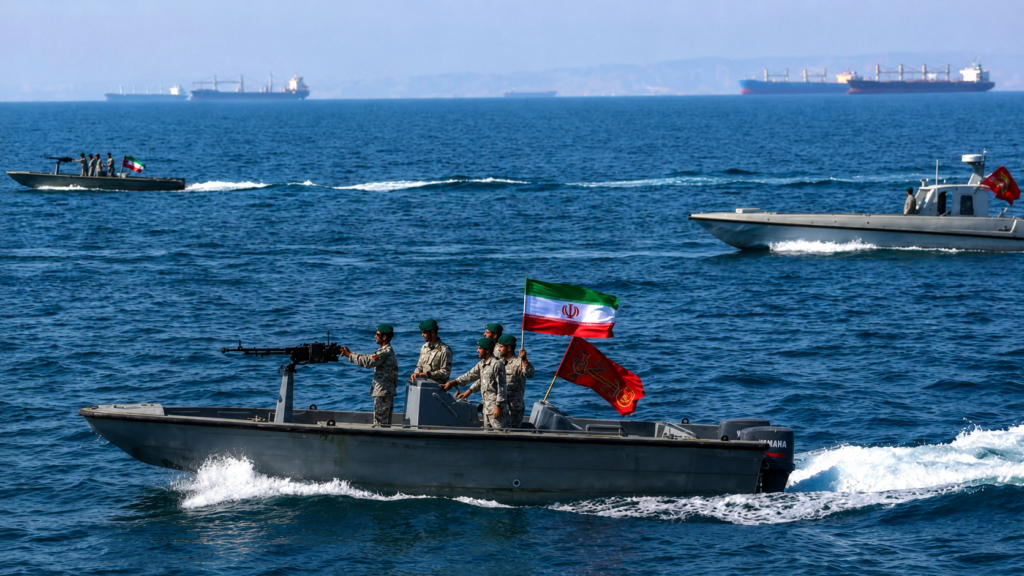
DOHA, November 2, 2026: Iran has proposed a new 48-hour plan to restore normal shipping through the Strait of Hormuz following talks mediated by Qatar, marking a potential step towards easing tensions with the United States. However, Washington has yet to formally accept the proposal.
Iranian Foreign Minister Abbas Araghchi said the plan would require the United States to take specific measures on the first day, followed by the reopening of the strategic waterway to normal commercial shipping on the second day.
According to Gulf News, the two-day proposal emerged from indirect discussions facilitated by Qatari mediators as diplomatic efforts continued to address tensions surrounding one of the world’s most important energy shipping routes.
Araghchi said Iran had initially presented a seven-day framework under which the Strait of Hormuz would reopen on the sixth day. Following consultations with Qatari mediators, the proposed timeline was shortened to 48 hours.
The Iranian foreign minister described the discussions as moving towards implementation but clarified that his visit to Doha was not intended for direct negotiations with American officials. Instead, communications continued through Qatari intermediaries.
The proposal remains under consideration, with Iran seeking specific actions from Washington before restoring normal maritime traffic. The reported conditions include possible relief from economic sanctions, although the precise requirements have not been publicly detailed.
The United States has not formally endorsed the arrangement, and no final agreement has been announced.
Meanwhile, the US military maintains that the Strait of Hormuz remains open. However, questions persist over the restoration of routine commercial shipping operations and whether both sides can reach an agreement on Iran’s proposed conditions.
The Strait of Hormuz is a critical maritime passage connecting the Persian Gulf with international shipping routes. A substantial share of global oil and liquefied natural gas shipments passes through the waterway, making its stability essential for international energy markets.
Any prolonged disruption to shipping through the strait could affect global oil prices, energy supplies and international trade, particularly for economies dependent on Gulf energy exports.
Qatar’s mediation efforts are aimed at reducing tensions between Tehran and Washington while creating conditions for the normalization of maritime traffic.
Despite the shortened timeline, the proposed 48-hour arrangement does not constitute a finalized agreement. Its implementation will depend on whether the United States accepts the conditions and both sides agree on the steps required to restore normal shipping operations.