
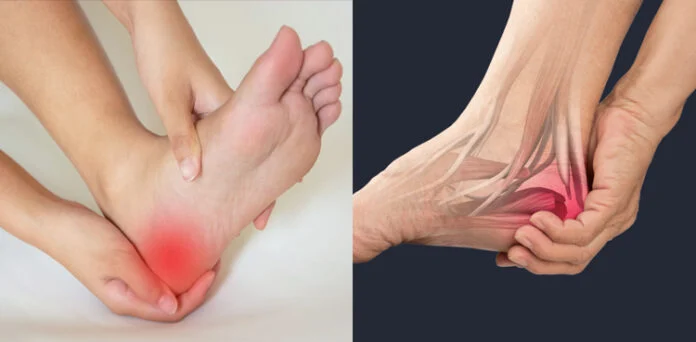
Heel pain is a common foot complaint and can occur in the inner, back or surrounding areas of the heel. While it may sometimes result from everyday strain, persistent or severe pain can also be linked to an underlying injury or medical condition.
According to medical experts, excessive pressure on the heel, prolonged physical activity and injuries are among the common causes of heel pain.
The human foot contains 26 bones, 33 joints and more than 100 muscles, tendons and other structures. The heel bone, known as the calcaneus, is the largest bone in the foot and plays an important role in supporting body weight and movement.
Common Causes of Heel Pain
Heel pain can have several causes, with plantar fasciitis being one of the most common. It occurs when excessive stress is placed on the plantar fascia, a band of tissue that helps support the foot, potentially causing irritation and pain.
An injury sustained during exercise or other physical activities can also cause heel pain.
Another possible cause is Achilles tendinitis, which involves irritation or inflammation of the Achilles tendon — the strong tissue connecting the calf muscles to the heel bone.
In addition, certain joint-related conditions, ankle sprains and other foot problems may contribute to pain in or around the heel.
When Should You See a Doctor?
Medical attention may be necessary if heel pain is sudden or severe, particularly when it is accompanied by redness, swelling or difficulty walking.
People should also consider seeing a doctor if the pain does not improve after two to three weeks of home care. A medical evaluation can help determine the underlying cause and appropriate treatment.
Home Measures That May Help
For mild heel pain, reducing activities that aggravate the discomfort and giving the foot adequate rest may help.
Applying an ice pack to the affected area for around 10 to 15 minutes at a time, twice a day, may also provide relief.
Over-the-counter pain medication may be used when appropriate, but people should consult a doctor or pharmacist before taking medication regularly, particularly if they have other medical conditions or take other medicines.
Wearing comfortable, supportive footwear can also reduce unnecessary pressure on the feet. Keeping the foot slightly elevated while resting may provide additional comfort in some cases.
How Can Heel Pain Be Prevented?
Choosing comfortable shoes with adequate support is important for protecting the feet and reducing unnecessary strain on the heels. Shoes should also be appropriate for the type of exercise or physical activity being performed.
Maintaining a healthy body weight, following a balanced diet and allowing the feet to rest when they become tired can also help reduce excessive stress.
During exercise, increasing intensity or speed gradually rather than making sudden changes may further reduce the risk of strain and injury.
Persistent, severe or worsening heel pain should not be ignored, as identifying the underlying cause is important for appropriate treatment.