
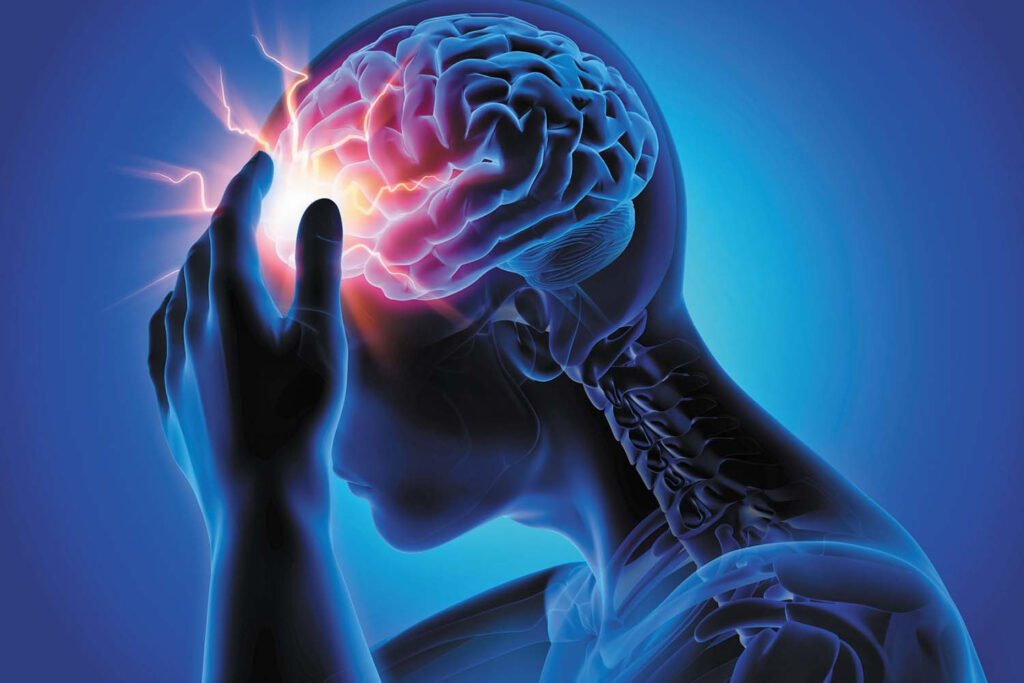
Headaches and migraines are not the same condition, according to medical experts. A headache is generally a symptom, while migraine is a neurological condition that can cause recurring attacks of head pain.
Understanding the type, duration and accompanying symptoms of the pain can help distinguish between a common headache and migraine.
How Does the Pain Feel?
A tension-type headache may feel like pressure, tightness or a mild ache across the head. It can affect both sides and may feel as though something is pressing or squeezing the head.
Migraine pain, by contrast, is often throbbing or pulsating and may affect one side of the head. However, migraine can also cause pain on both sides, so pain on one side alone is not enough to confirm a migraine diagnosis.
Migraine pain can range from moderate to severe and may become worse with routine physical activity, such as walking or climbing stairs.
Migraine Can Cause More Than Head Pain
Unlike many ordinary headaches, migraine attacks may be accompanied by nausea and vomiting. People may also become particularly sensitive to bright lights and loud sounds.
Wanting to lie down in a dark, quiet room during an attack can be another indication of migraine.
How Long Do Headaches and Migraines Last?
A tension-type headache may last anywhere from 30 minutes to several hours.
An untreated migraine attack, however, can last 4 to 72 hours. The intensity may fluctuate during the attack, meaning the pain does not necessarily remain at the same level throughout.
What Is Migraine Aura?
Some people experience neurological symptoms before or during a migraine attack. These symptoms are known as aura.
They can include:
- Seeing flashing lights or zigzag lines
- Temporary changes or dark areas in vision
- Tingling or numbness in the hands or other parts of the body
- Difficulty speaking
Not everyone with migraine experiences aura. Therefore, the absence of aura does not rule out migraine.
At the same time, new visual changes or other neurological symptoms should not automatically be attributed to migraine. Medical evaluation may be necessary to determine their cause.
When Should You See a Doctor?
Medical attention is important if headaches become frequent or severe, suddenly change from your usual pattern, or begin interfering with daily life. Rather than repeatedly relying on painkillers, identifying the underlying cause of recurring headaches is important.
Seek immediate medical care if you suddenly develop the worst headache of your life, or if a headache is accompanied by weakness on one side of the body, sudden difficulty speaking, loss of consciousness or other new neurological symptoms.
Such symptoms should not simply be assumed to be migraine.