
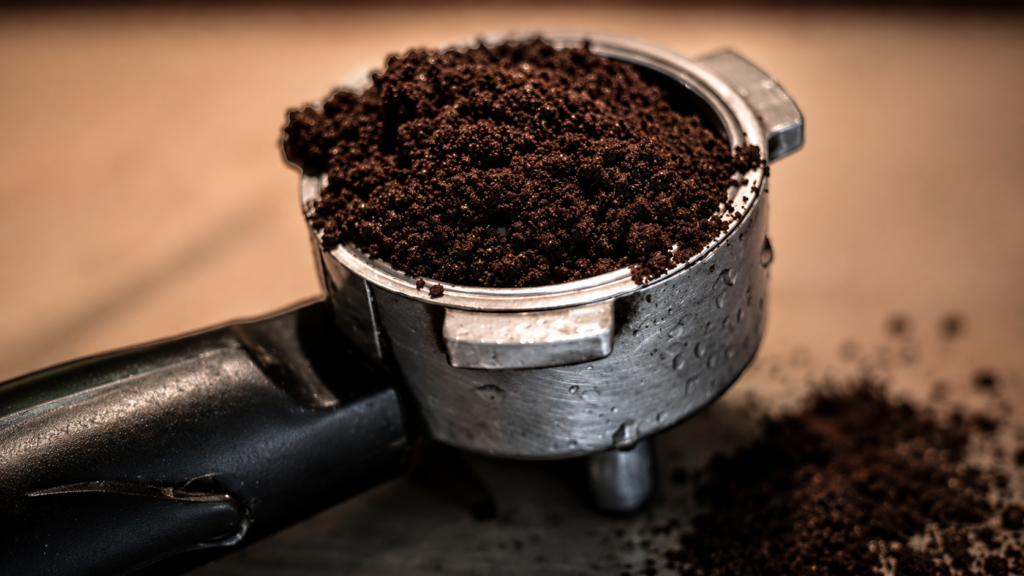
November 16, 2026: Scientists in Spain have developed a new method to extract oil from used coffee grounds, opening up possibilities for producing renewable fuels and valuable industrial chemicals from waste that is normally thrown away.
Researchers at Rovira i Virgili University in Spain have identified an efficient process for recovering oil from spent coffee grounds while preserving the remaining material for other industrial applications.
The findings, published in the scientific journal Biomass and Bioenergy, highlight the potential of coffee waste as a sustainable source of raw materials for renewable energy production.
According to the researchers, used coffee grounds contain approximately 15 percent lipids, or fats, which can be extracted and used as a feedstock for producing biodiesel and other renewable fuels.
Coffee is among the world’s most widely consumed beverages, generating substantial quantities of waste every year. Global coffee production reaches approximately 10 million metric tonnes annually, while much of the material left after brewing is discarded.
Scientists believe that recovering useful compounds from coffee grounds could reduce waste and provide an alternative source of materials for industrial processes.
A key feature of the new approach is that extracting oil does not render the remaining coffee waste unusable. Instead, the leftover material can potentially be processed for additional industrial purposes, improving the overall value of the recycling process.
The research also supports efforts to develop a circular economy, in which waste from one activity becomes a resource for another.
Although the findings demonstrate the potential of spent coffee grounds for renewable fuel production, further development would be needed to establish the process’s commercial feasibility on a larger scale.
The study suggests that everyday coffee waste could eventually contribute to cleaner energy production while reducing the environmental burden associated with its disposal.