
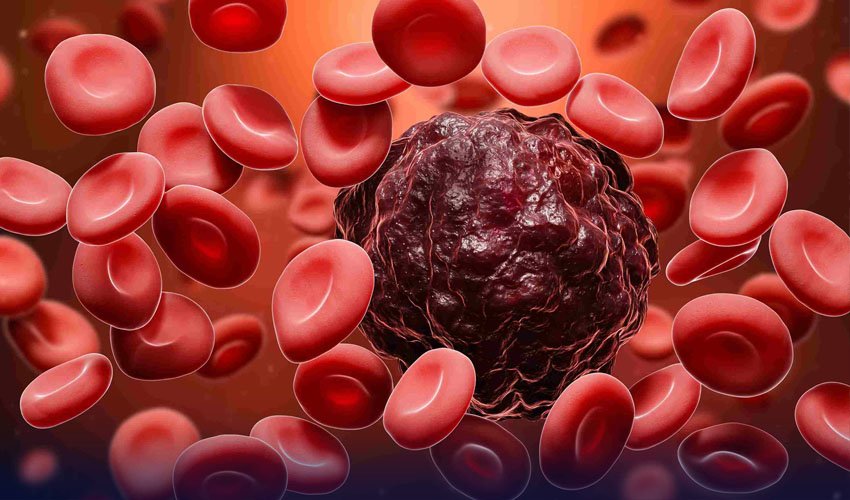
October 12, 2026: Cancer is expected to become an increasingly significant global public health challenge, with the number of new cases projected to exceed 35 million annually by 2050, according to estimates from the World Health Organization (WHO) and the International Agency for Research on Cancer (IARC).
Data from the two organizations show that approximately 20 million new cancer cases and 9.7 million cancer-related deaths were recorded worldwide in 2022. The number of new cases is projected to increase by around 77% by 2050 compared with 2022.
Why Are Cancer Cases Expected To Increase?
According to the report, several factors are contributing to the projected rise in cancer cases worldwide.
Population growth and an increasing proportion of older people are among the major drivers, as cancer risk generally rises with age. Changes in exposure to cancer risk factors are also expected to contribute to the growing burden.
The WHO estimates that approximately one in five people will develop cancer during their lifetime. Around one in nine men and one in 12 women are expected to die from the disease.
Which Cancers Are Most Common?
In 2022, lung cancer was the most commonly diagnosed cancer worldwide, with approximately 2.5 million new cases, accounting for 12.4% of all cases.
Female breast cancer ranked second globally, while colorectal, prostate and stomach cancers were also among the most frequently diagnosed types.
Major Risk Factors
The WHO and IARC identify several important risk factors associated with cancer, including:
- Tobacco use
- Alcohol consumption
- Obesity
- Other lifestyle and environmental exposures
The scale and pace of the projected increase will vary between countries, depending on population trends, socioeconomic development and exposure to different risk factors.
Prevention And Early Detection Remain Important
The projections highlight the need for stronger cancer prevention strategies, timely diagnosis and access to effective treatment.
Reducing exposure to preventable risk factors, improving awareness and expanding screening where appropriate can help reduce the impact of cancer. Health authorities also face the challenge of preparing healthcare systems for the expected rise in patients over the coming decades.
Although the projected increase reflects demographic changes and other risk factors, it is not inevitable that every country will experience the same trend. Prevention, early detection and better access to care remain important parts of the global response.