
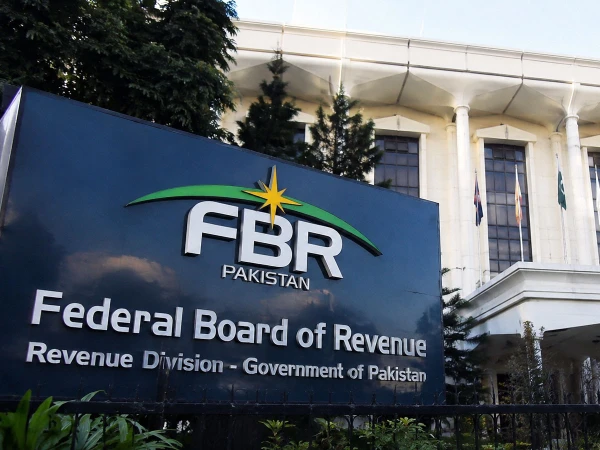
ISLAMABAD, November 1, 2026: The Federal Board of Revenue (FBR) is preparing strict action against unregistered retailers after its simplified tax registration scheme failed to attract significant participation, with only 220 new shopkeepers entering the tax net despite a revenue collection target of Rs50 billion.
According to sources, the government is facing serious difficulties in bringing the retail sector into the formal tax system, prompting authorities to consider financial penalties and the sealing of business premises for continued non-compliance.
The simplified registration scheme has attracted only 1,750 retailers so far, while just 220 previously unregistered shopkeepers have joined the tax net through the initiative.
The limited response has raised concerns over the effectiveness of the government’s efforts to broaden the tax base and improve revenue collection from the retail sector.
FBR identifies 3.6 million potential non-filers
Sources said the FBR has identified approximately 3.6 million potential non-filers operating in the country’s retail sector.
To improve monitoring and identify businesses operating outside the tax system, the revenue authority plans to introduce geotagging of markets.
The initiative is intended to help tax authorities map commercial establishments and identify retailers who have not registered or fulfilled their tax obligations.
Officials are considering enforcement measures against shopkeepers who fail to enter the tax net despite registration requirements.
Non-filers face fines of up to Rs50,000
Under the proposed enforcement measures, non-compliant retailers could face progressively higher financial penalties.
According to sources, the fines may include:
- First month: Rs10,000
- Second month: Rs25,000
- Third month: Rs50,000
Tax authorities also have the power to seal shops belonging to retailers who fail to comply with applicable registration and tax requirements.
The measures are aimed at increasing compliance and encouraging businesses operating outside the formal tax system to register with the FBR.
However, sources did not specify when the proposed enforcement campaign would begin.
Retailers’ tax scheme falls short of Rs50 billion target
The government had set a revenue collection target of Rs50 billion under the retailers’ tax scheme.
However, the participation of only 1,750 shopkeepers, including 220 new entrants to the tax net, indicates that the initiative has yet to achieve the intended expansion of the registered retail base.
The FBR’s identification of millions of potential non-filers highlights the scale of the challenge facing the tax authority.
The planned geotagging exercise and possible penalties are expected to form part of efforts to improve registration and compliance across retail markets.
FBR receives 7.6 million income tax returns
The development comes after the government extended the deadline for filing income tax returns twice.
By October, the FBR had received approximately 7.6 million income tax returns.
Despite the number of returns submitted, the revenue authority continues to face difficulties in meeting its tax collection targets.
FBR misses October tax target by Rs157 billion
The FBR recorded a revenue shortfall of Rs157 billion against its October collection target, according to sources.
During the first 30 days of October, the tax authority collected Rs975 billion against a monthly target of Rs1.132 trillion.
The shortfall has added pressure on the revenue authority to strengthen enforcement and improve tax compliance.
Meanwhile, total tax collection during the first four months of the current fiscal year, from July to October, reached Rs4.0585 trillion.
The government had set a collection target of Rs4.185 trillion for the period, leaving a cumulative shortfall of Rs126.5 billion.
The revenue gaps, coupled with the limited response to the retailers’ registration scheme, have increased pressure on the FBR to bring more businesses into the tax system.
Sources said the proposed enforcement measures, including market geotagging, escalating fines and possible shop closures, are intended to address non-compliance and improve revenue collection from the retail sector.