
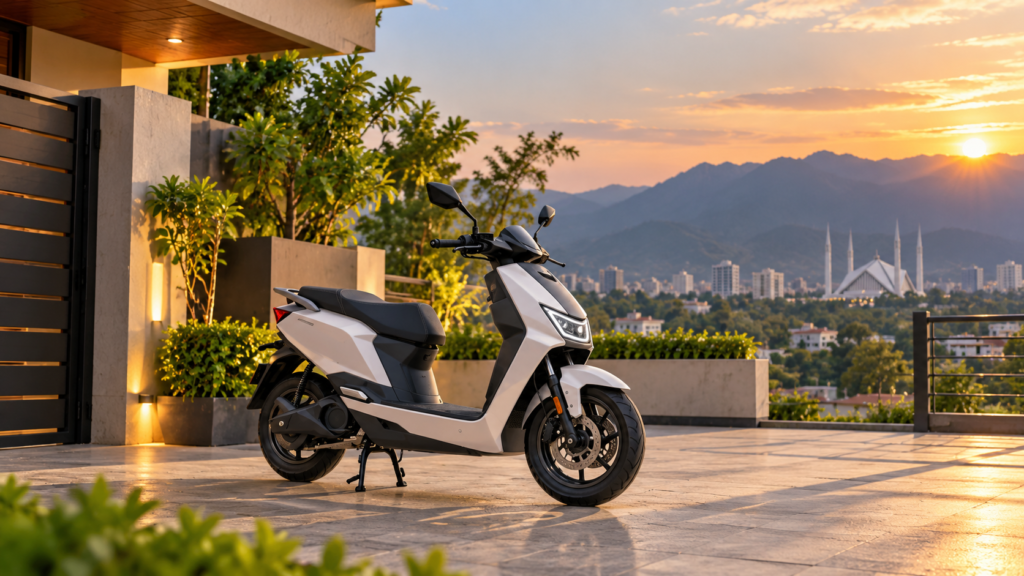
ISLAMABAD, October 29, 2026: Electric scooter buyers in Pakistan are being advised to pay closer attention to battery technology, warranty coverage and replacement costs, as these factors can significantly affect the long-term expense of owning an electric two-wheeler.
With manufacturers offering similar scooter models equipped with different battery types, consumers increasingly face choices between graphene, lithium iron phosphate (LFP), lithium-ion and emerging sodium-ion technologies.
According to an electric scooter battery comparison published by PakWheels, battery chemistry can influence purchase prices, charging performance, expected lifespan and maintenance requirements.
Graphene batteries offer lower initial costs
Graphene and nano-carbon batteries are commonly found in affordable electric scooters in Pakistan.
Despite their names, these are generally carbon-enhanced lead-based batteries rather than lightweight, pure graphene battery systems.
Their main advantage is a lower purchase price, making them suitable for buyers with limited budgets and moderate daily travel requirements.
Such batteries typically have an estimated practical lifespan of two to three years, although actual performance depends on usage, charging habits and environmental conditions.
Models including the REVOO A12, OKLA Orbit and EVEE S1 offer graphene battery options, with published warranty periods generally ranging from 18 to 24 months.
LFP batteries provide longer service life
Lithium iron phosphate batteries are increasingly becoming an attractive option for riders covering longer daily distances.
LFP technology offers relatively strong thermal stability and longer charging-cycle life compared with several other battery types.
Research-based estimates suggest that properly managed LFP scooter batteries can remain serviceable for approximately five to eight years, depending on operating conditions.
Electric scooters such as the REVOO C35 GT, Metro Metrix, OKLA OVA and Yadea T5L offer LFP battery configurations.
Published battery warranties for these models generally range from three to four years.
Although LFP-equipped scooters often cost more initially, their longer expected battery life may offer advantages for frequent commuters.
Lithium-ion batteries suit performance-focused scooters
Lithium-ion batteries, including nickel-manganese-cobalt (NMC) technology, offer higher energy density, allowing manufacturers to reduce battery weight while maintaining useful energy capacity.
These batteries are commonly associated with performance-oriented electric scooters.
Their practical lifespan is estimated at approximately three to five years, depending on battery quality, temperature management and charging practices.
Models such as the Metro Miku Super and OKLA OKG Lithium use lithium-based battery configurations.
However, prolonged exposure to high temperatures and excessive charging can accelerate battery degradation, making proper battery management particularly important in Pakistan’s summer conditions.
Sodium-ion technology enters the market
Sodium-ion batteries represent a relatively new option in Pakistan’s electric two-wheeler market.
The technology offers potential advantages in thermal stability and charging-cycle performance, although long-term local ownership data remains limited.
The Lal Din F71S is among the locally available examples using sodium-ion technology.
Research suggests that sodium-ion batteries may offer a service life of five to eight years under suitable conditions, but buyers should verify warranty coverage, replacement availability and after-sales support before purchasing.
Battery lifespan and warranty comparison
| Battery Type | Estimated Practical Lifespan | Typical Warranty |
|---|---|---|
| Graphene / Nano-Carbon | 2–3 years | 18–24 months |
| Lithium Iron Phosphate (LFP) | 5–8 years | 3–4 years |
| Lithium-Ion / NMC | 3–5 years | Around 2 years |
| Sodium-Ion | Potentially 5–8 years | Limited local information |
These figures are estimates based on published research and manufacturer information. Actual battery life and warranty terms vary by model.
Buyers advised to check replacement costs
Battery technology has also become an important factor in electric scooter pricing.
Manufacturers including Metro, REVOO, OKLA and EVEE offer different battery configurations across selected models, allowing customers to choose between lower upfront costs and potentially longer battery life.
Price differences between similar scooters can sometimes reach Rs50,000 to Rs100,000, depending on battery specifications and other features.
Consumers should therefore verify battery chemistry, written warranty conditions, expected replacement costs and the availability of authorised service facilities before making a purchase.
For riders travelling shorter distances, graphene batteries may provide an economical entry point, while LFP batteries can offer better long-term value for heavier daily use.
The comparison highlights that battery lifespan, warranty protection and replacement expenses may be more important than advertised range or motor power when evaluating the overall cost of an electric scooter.