
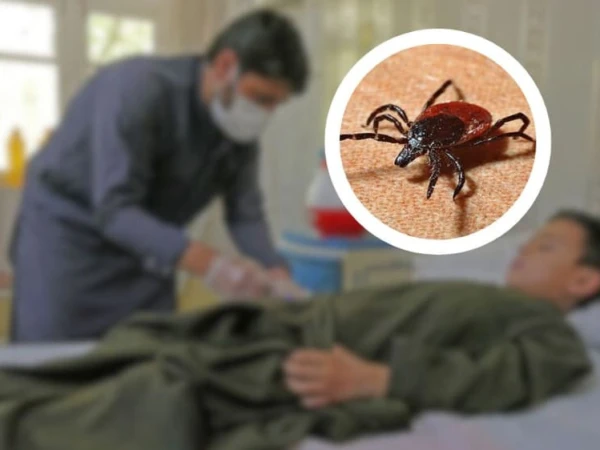
Pakistan has confirmed its second case of Crimean-Congo Hemorrhagic Fever (CCHF), commonly known as the Congo virus, after a 22-year-old man from Quetta tested positive for the disease, health officials said on Tuesday.
The patient, identified as Rehmatullah, was admitted to Jinnah Hospital Karachi after developing a high fever and recurrent nosebleeds. Initial medical tests found critically low platelet and hemoglobin levels, along with elevated liver enzymes. A PCR test later confirmed the Congo virus infection, and the patient was transferred to NIPA Hospital for further treatment.
Patient Undergoing Treatment
Health authorities said multiple laboratory investigations were carried out, including a CCHF PCR test, which confirmed the diagnosis.
Doctors are continuing to monitor the patient’s condition, while public health teams are assessing potential exposure among close contacts and ensuring appropriate infection control measures.
What Is the Congo Virus?
Crimean-Congo Hemorrhagic Fever (CCHF) is a potentially life-threatening viral disease spread mainly through the bite of infected ticks, particularly those found on livestock. The virus can also be transmitted through direct contact with the blood, tissues, or bodily fluids of infected animals or people.
The World Health Organization (WHO) identifies common symptoms as sudden fever, severe headache, muscle pain, weakness, nausea, and bleeding from the nose or gums in more severe cases.
Public Advised to Take Precautions
Health experts have urged livestock handlers, butchers, veterinarians, and healthcare workers to take preventive measures, including wearing protective gloves and clothing when handling animals or suspected patients.
Authorities also recommend controlling tick infestations, maintaining proper hygiene when handling livestock, and seeking immediate medical attention if symptoms develop after possible exposure.
Also Read : New Study Suggests GLP-1 Weight-Loss Injections Could Help Some Children With Obesity