
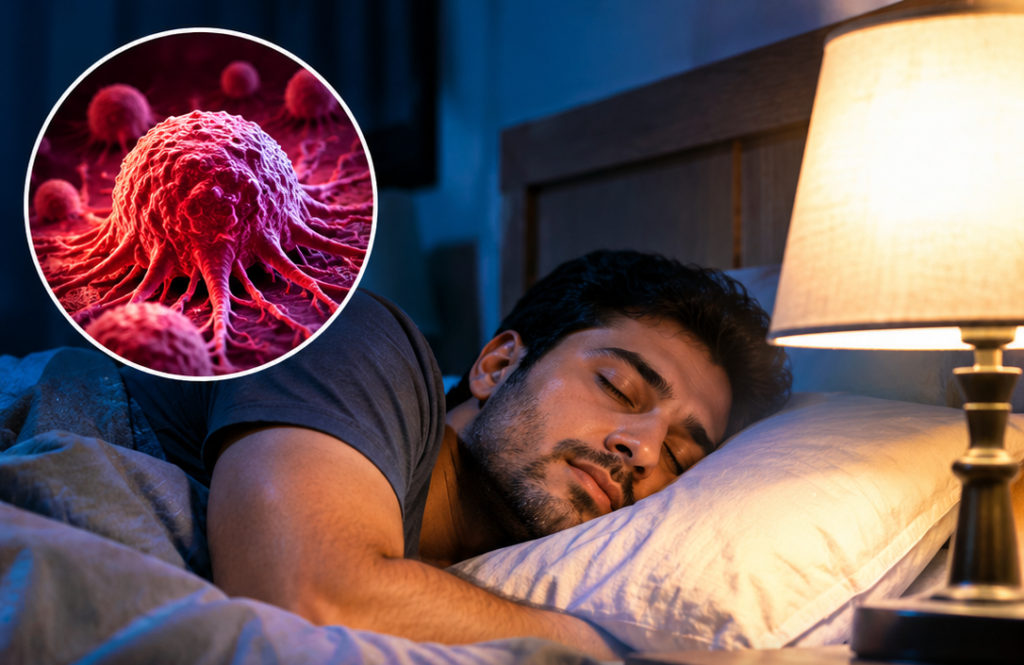
Sleeping with the lights on may disrupt the body’s natural sleep cycle and affect the production of melatonin, a hormone associated with sleep regulation and other important biological functions.
Many people keep their bedroom lights on while sleeping because of fear, habit or personal preference. However, concerns have been raised about the potential health effects of prolonged exposure to artificial light at night.
The pineal gland produces melatonin, a hormone that helps regulate the body’s internal clock and sleep-wake cycle. Darkness supports its natural production, while exposure to light at night can suppress melatonin levels and interfere with normal sleep patterns.
The source report suggests that reduced melatonin production may affect sleep quality and could be associated with health concerns, including depression, obesity and diabetes. It also refers to claims linking prolonged exposure to light at night with an increased risk of certain cancers.
According to the report, research from sleep centres in Japan and the United States found a 25 per cent higher cancer risk among people who consistently slept with lights on. However, the report does not identify the specific studies or provide enough methodological detail to establish that sleeping with the lights on directly causes cancer.
Exposure to artificial light during sleep may also interrupt rest and affect physiological processes, including heart rate and blood pressure, according to the report.
People who cannot sleep in complete darkness are advised to consider using dim lighting rather than bright room lights.
Does Sleeping on the Left Side Cause Health Problems?
The report also raises concerns about sleeping on the left side, suggesting that this position may contribute to digestive discomfort, acidity and gas, and could affect the heart.
However, it does not provide specific medical studies or evidence to support these claims. Sleeping positions can affect people differently, and the report does not establish that left-side sleeping is generally harmful.
Maintaining a comfortable sleeping environment and healthy sleep routine remains important for overall wellbeing.