
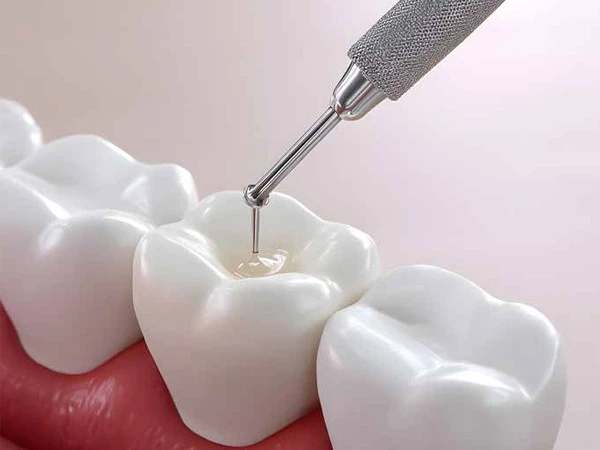
Researchers at the University of Nottingham in the UK have developed a protein-based gel that could help rebuild damaged tooth enamel within weeks, potentially opening a new approach to treating enamel loss and tooth sensitivity.
The gel is designed to mimic the natural process through which tooth enamel forms. According to the research, it uses proteins to guide the rebuilding of an organised mineral structure on damaged tooth surfaces, with calcium and phosphate from saliva supporting the process.
In laboratory experiments, enamel treated with the gel showed resistance to everyday stresses including brushing, chewing and exposure to acidic foods. Researchers reported that the regenerated material displayed properties similar to healthy enamel.
The study, published in Nature Communications, was associated with Professor Alvaro Mata and his research team. The researchers said the material is designed to integrate with the existing structure of the tooth rather than simply forming a surface coating.
Potential Beyond Cavities
The technology could potentially be used in cases where enamel has developed microscopic cracks, cavities or areas of erosion. Researchers also say it may have applications when dentin, the layer beneath enamel, becomes exposed.
Exposed dentin is one of the main causes of tooth sensitivity. By helping rebuild the protective enamel layer, the approach could potentially reduce sensitivity and provide a more natural surface for future dental restorations.
However, the technology remains at the research stage. Further testing, clinical trials and regulatory approvals would be required before it could become widely available to patients.
Reports suggest the researchers are working toward potential commercialisation in late 2026 or 2027, although the timeline will depend on the results of further research and the necessary approvals.