
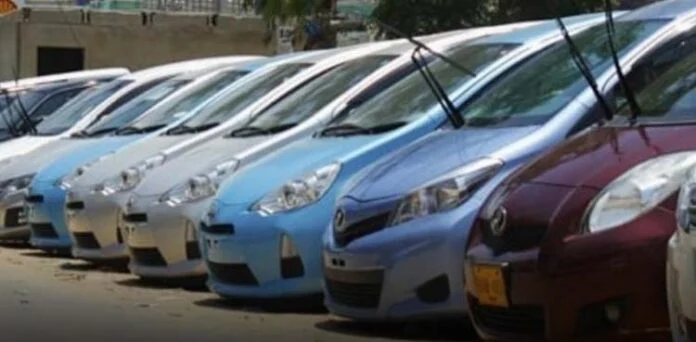
ISLAMABAD, November 10, 2026: Petrol-powered vehicles in Pakistan are expected to become cheaper by up to Rs1 million under the government’s newly approved auto policy, which proposes reductions in federal excise duty and customs duty.
According to official documents cited in media reports, the proposed tax and duty reductions could lower the prices of several locally manufactured vehicles, including small hatchbacks, SUVs and larger petrol-powered models.
The documents indicate that locally assembled petrol cars with engine capacities of up to 658cc could become Rs375,000 cheaper, bringing their prices down from Rs3.22 million to Rs2.845 million.
Similarly, locally manufactured petrol cars with engines of up to 998cc are expected to see a price reduction of Rs440,000, lowering their cost from Rs4.27 million to Rs3.83 million.
The proposed policy also offers potential price reductions for petrol-powered SUVs.
According to the documents, SUVs with engine capacities of up to 1,496cc could become Rs740,000 cheaper, with prices declining from Rs6.06 million to Rs5.32 million.
Meanwhile, petrol SUVs with engines of up to 1,498cc are expected to see a reduction of Rs280,000, bringing their prices down from Rs9.44 million to Rs9.16 million.
The largest projected reduction applies to locally manufactured petrol vehicles with engine capacities of up to 1,598cc.
Their prices could fall by Rs1 million, from Rs12.1 million to Rs11.1 million, if the proposed duty reductions are fully reflected in retail prices.
Expected petrol vehicle price reductions
| Engine capacity | Current price | Expected price | Reduction |
|---|---|---|---|
| Up to 658cc | Rs3,220,000 | Rs2,845,000 | Rs375,000 |
| Up to 998cc | Rs4,270,000 | Rs3,830,000 | Rs440,000 |
| SUV up to 1,496cc | Rs6,060,000 | Rs5,320,000 | Rs740,000 |
| SUV up to 1,498cc | Rs9,440,000 | Rs9,160,000 | Rs280,000 |
| Up to 1,598cc | Rs12,100,000 | Rs11,100,000 | Rs1,000,000 |
The anticipated reductions could provide relief to prospective car buyers facing high vehicle prices in Pakistan.
However, the figures represent projected price changes under the new policy rather than confirmed reductions announced by individual automobile manufacturers.
Actual showroom prices will depend on the implementation of revised duties and taxes and the pricing decisions of vehicle manufacturers.
The reported policy changes could also influence competition in Pakistan’s automobile market by reducing the tax burden on selected petrol-powered vehicles.
Further details regarding the implementation schedule and revised pricing announcements from automakers are awaited.