
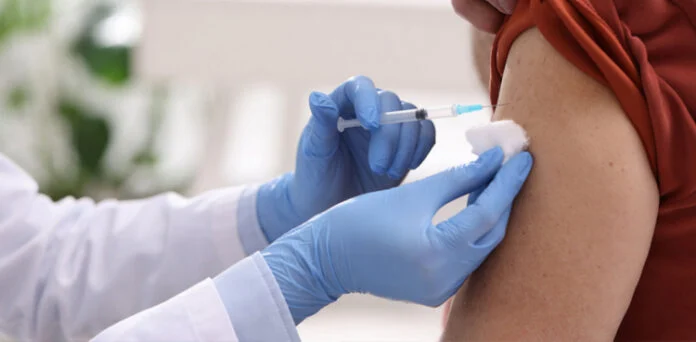
A personalised cancer vaccine developed using a patient’s own tumour has shown promising results in a large Phase 3 clinical trial, reducing the risk of melanoma recurrence or death by 42% when combined with immunotherapy.
The trial involved 1,137 patients and evaluated an experimental personalised mRNA vaccine, called intismeran, in combination with the immunotherapy drug Keytruda. Researchers said the findings could mark an important step towards more personalised approaches to cancer treatment.
According to the reported results, patients who received the vaccine alongside immunotherapy had a 42% lower risk of melanoma spreading to other parts of the body or causing death over two years compared with those who received immunotherapy alone. The risk of disease recurrence was also reported to be about 38% lower.
Melanoma is an aggressive form of skin cancer. The report states that it causes around 2,600 deaths each year in the UK, while patients with advanced disease have a five-year survival rate of roughly one-third.
How the personalised vaccine works
Unlike conventional vaccines, the experimental treatment is developed separately for each patient. Doctors analyse tumour cells and identify cancer-specific features that can be targeted by the immune system.
The resulting vaccine is designed to train the immune system to recognise and attack cancer cells that may remain in the body after surgery.
Professor Pippa Corrie, a consultant medical oncologist involved in the research at Cambridge’s Addenbrooke’s Hospital, said the personalised vaccine approach aims to help the immune system identify and destroy remaining tumour cells after surgery.
She described the approach as a new way of treating cancer that takes the individual characteristics of each patient into account.
Around two-thirds of the trial participants received the experimental vaccine alongside Keytruda, while the remaining patients received a placebo with immunotherapy.
The drugmakers MSD and Moderna are also testing the personalised vaccine approach against other cancers, including kidney, bladder and lung cancers.
Researchers say further studies will be needed to determine whether the results can be reproduced on a broader scale. If confirmed, personalised cancer vaccines could eventually become an important part of cancer treatment.