
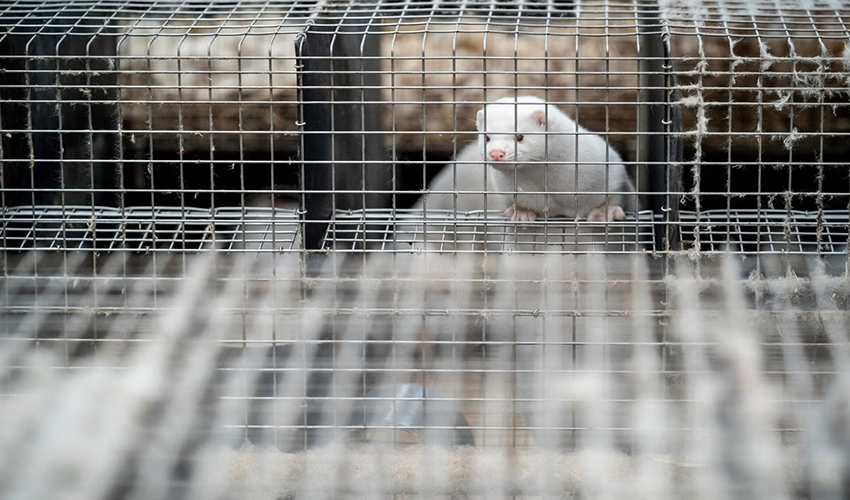
UTAH, October 27, 2026: An outbreak of H5N1 bird flu at a commercial mink farm in the US state of Utah has raised concerns among infectious disease experts after large numbers of animals reportedly died from the virus.
The outbreak, which began in August, has prompted warnings that continued viral transmission among mink could potentially lead to genetic changes that may increase the risk to humans.
Why Are Scientists Concerned About Mink?
According to the report published by Samaa News, mink have respiratory cell receptors that share similarities with those found in humans. Experts say this could make the animals a potential environment for the adaptation and evolution of respiratory viruses.
If H5N1 continues spreading rapidly through a large mink population, genetic changes could potentially make the virus more capable of infecting humans or spreading between them.
However, US authorities have not confirmed transmission of the virus from mink to humans in the reported outbreak.
Concerns Over Farm Regulations and Disease Control
The report highlights concerns about gaps in the regulatory framework governing mink farms in the United States.
Federal agencies have reportedly identified limitations in their direct legal authority over captive mink facilities. The absence of clear federal requirements for measures such as large-scale culling and active health monitoring of farm workers has also raised concerns.
In poultry farms, confirmed H5N1 outbreaks commonly trigger measures such as the culling of infected flocks. According to the report, the lack of similarly clear federal safeguards and compensation arrangements for mink farms presents additional challenges.
Risk of Genetic Changes
Experts have warned that inadequate monitoring of farm workers could make it harder to detect potential transmission to humans at an early stage.
One concern involves a situation in which a worker exposed to infected mink also contracts seasonal human influenza. If both viruses infect the same person, they could potentially exchange genetic material through a process known as reassortment.
This process can produce new viral variants, although it does not mean that a more dangerous strain will necessarily emerge.
What Do US Health Authorities Say?
The US Centers for Disease Control and Prevention (CDC) maintains that the current risk to the general public is low, according to the supplied report.
Authorities have not confirmed mink-to-human transmission in this outbreak.
Experts are nevertheless calling for stronger surveillance at affected farms, health monitoring for exposed workers and effective outbreak-control measures to reduce the possibility of further viral evolution and potential transmission to humans.