
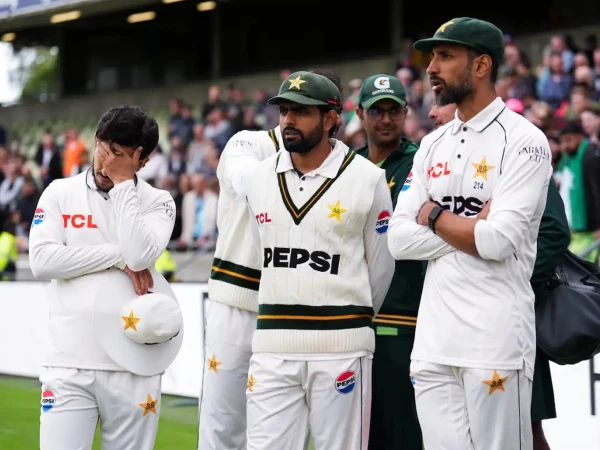
ISLAMABAD: Babar Azam’s return to domestic cricket after a seven-year gap has renewed discussion about the role of first-class cricket in Pakistan’s player development and the declining connection between the national team and its supporters.
The development comes as the Pakistan Cricket Board (PCB) has increased emphasis on domestic cricket, with players required to participate in domestic competitions to remain eligible for central contracts and national selection. The policy reflects growing concern over the limited amount of red-ball cricket played by some national players and the reliance on shorter-format performances.
Babar Azam’s return to domestic cricket
Babar Azam, one of Pakistan’s most prominent contemporary cricketers, is set to feature in domestic competition after spending several years largely focused on international and franchise cricket.
The return has drawn attention because Pakistan’s leading players have increasingly spent less time in domestic first-class competitions. Critics of the existing system have argued that regular domestic cricket is important for maintaining match fitness, developing technique and preparing players for the longer format.
For Pakistan, the issue is particularly relevant because the national side plays a comparatively limited number of Test matches each year, while many players gain greater exposure through T20 cricket.
The difference between the demands of T20 cricket and Test cricket can be significant. Batters need to develop concentration and technique over long periods, while bowlers require the stamina to maintain workloads well beyond the four-over spells common in T20 matches.
Declining interest among cricket supporters
The discussion over domestic cricket is also taking place against concerns about the relationship between Pakistan’s cricketers and their traditional fan base.
Pakistan cricket once attracted large crowds to domestic and international matches, while leading players routinely became household names. Former generations of players also developed strong connections with supporters through appearances at local grounds and domestic competitions.
The current environment is different. Even when prominent international players appear in domestic matches, attendance can remain modest, highlighting the challenge facing Pakistan cricket in rebuilding public interest.
The columnist also recalls an era when fans would travel to local grounds simply to meet national players and have photographs taken with them. Such memories are presented as a contrast to the lower levels of engagement visible around some domestic competitions today.
PCB increases pressure on players to play domestically
The PCB has introduced a stronger link between domestic participation and national-team opportunities. Under the current approach, players who do not meet domestic cricket requirements can face consequences for central-contract eligibility and national selection.
The policy is intended to encourage established players to remain connected with the domestic structure rather than moving directly between international and franchise cricket.
Domestic cricket provides players with regular competitive opportunities and allows selectors to assess form and fitness over longer periods. It also gives emerging players the opportunity to compete alongside and against established international cricketers.
Pakistan’s recent cricket challenges
Pakistan’s recent performances have added urgency to the debate over player development and the domestic system.
The national team has experienced disappointing results across formats, while Babar Azam’s own run of centuries has also attracted scrutiny. His last international century came several years ago, according to the record referenced in the article, increasing the focus on his current form despite his status as one of Pakistan’s leading batsmen.
The team has also suffered defeats against sides that Pakistan traditionally regarded as less established opponents, contributing to concerns about consistency and competitiveness.
At the same time, the decline in public engagement cannot be attributed to a single factor. Domestic cricket structures, player development, team performances, administration, scheduling, media coverage and changing viewing habits can all influence the popularity of the sport.
Rebuilding the connection with fans
The article argues that performances on the field remain the most important way for players to rebuild their relationship with supporters.
Pakistan cricket has historically played a significant role in bringing people together and generating national interest. Major international victories, including World Cup triumphs, have produced some of the country’s strongest sporting memories.
The challenge for the current generation is to create new moments capable of generating a similar connection with younger supporters.
Pakistan’s cricketing decline is therefore not simply a question of individual players or the current PCB administration. The broader structure of domestic cricket, the development pathway and the relationship between the national team and supporters are all part of the discussion.
Regular domestic cricket can provide established players with competitive match practice while allowing selectors to identify and develop new talent. For Pakistan to strengthen its cricket system, sustained attention to these areas will remain important.
The country’s cricketing history demonstrates that strong domestic foundations can contribute to international success. The current focus on domestic participation provides an opportunity to reinforce that pathway and rebuild interest in the national team.