
RAWALPINDI, October 25, 2026: Pir Mehr Ali Shah Arid Agriculture University Rawalpindi (PMAS-AAUR) has secured four-year Level-II accreditation from the Pakistan Engineering Council (PEC) under the Washington Accord framework for its Faculty of Agricultural Engineering and Technology (FAET).
The accreditation marks an important development for the university’s engineering education programmes, reflecting its efforts to maintain academic quality and meet internationally recognised engineering education standards.
The Washington Accord framework supports the recognition of accredited engineering qualifications among participating jurisdictions, making PEC accreditation an important component of engineering education quality assurance in Pakistan.
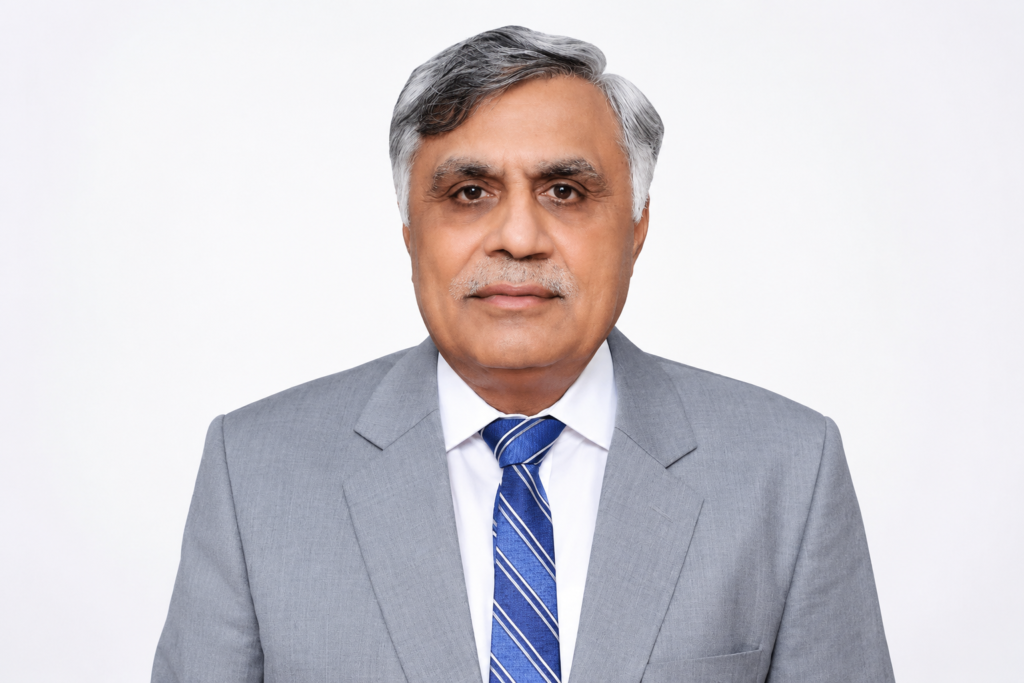
Vice Chancellor Prof. Dr. Qamar-uz-Zaman congratulated the faculty members, administrative staff and students on securing the accreditation.
He appreciated their collective efforts and dedication to strengthening academic standards, improving educational quality and maintaining professional competence within the faculty.
In a related development, PEC has also approved an increase in the faculty’s student intake from 40 to 50, allowing the university to accommodate more students pursuing agricultural engineering education.
The additional seats are expected to expand educational opportunities for aspiring agricultural engineers while maintaining the academic and professional standards required under the accreditation framework.
The university said the achievement reflected its continued commitment to quality engineering education, institutional development and preparing graduates with the technical knowledge and professional skills needed in the agricultural sector.
PMAS-AAUR has been working to strengthen its engineering education programmes and develop skilled graduates capable of contributing to agricultural development, technological innovation and improved engineering practices.
The four-year accreditation and increased student intake represent further steps towards expanding the university’s academic capacity and strengthening its role in agricultural engineering education.