
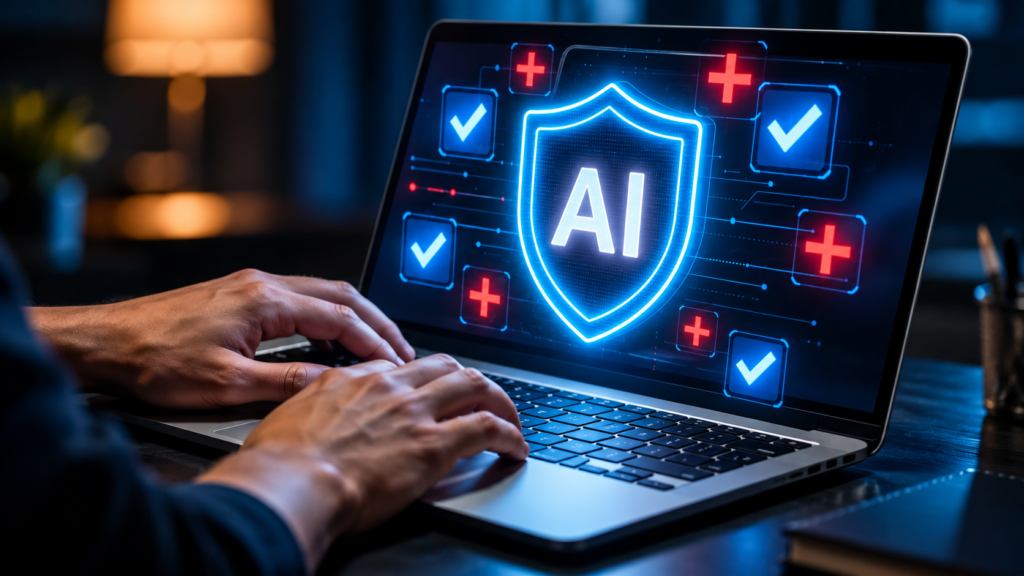
ISLAMABAD, October 23, 2026: Artificial intelligence is making cyberattacks more sophisticated, allowing criminals to create convincing scams, impersonate trusted individuals and exploit weak digital security practices. As AI-powered hacking techniques become more accessible, cybersecurity experts recommend five essential precautions to protect personal information, financial accounts and online identities.
From realistic phishing emails to cloned voices and deceptive videos, AI technology can make fraudulent communications increasingly difficult to distinguish from genuine messages. However, stronger passwords, additional account verification and careful handling of sensitive information can significantly reduce exposure to these threats.
Here are five cybersecurity practices that can help users protect themselves against AI-assisted cyberattacks.
1. Create strong passwords and use a password manager
Weak and commonly used passwords remain a major security risk. AI-assisted tools can accelerate attempts to guess predictable passwords, particularly when attackers use information obtained from previous data breaches.
Cybersecurity guidance recommends creating passwords containing at least 16 characters and avoiding familiar words, names, birthdays or easily guessed combinations.
Users should create a unique password for every important account rather than reusing the same credentials across multiple websites.
A reputable password manager can generate and securely store complex passwords, reducing the need to remember numerous combinations.
This approach also limits the damage if one online service experiences a security breach, because compromised credentials cannot automatically unlock other accounts.
2. Enable multi-factor authentication on important accounts
Multi-factor authentication, commonly known as MFA, adds another layer of protection beyond a username and password.
Even if cybercriminals obtain login credentials through phishing or a data breach, additional verification can prevent them from accessing an account.
Users should activate MFA on email accounts, online banking services, social media platforms and other services containing sensitive information.
Authenticator applications and physical security keys generally provide stronger protection against certain attacks than traditional SMS verification.
Where available, phishing-resistant security keys or passkeys offer particularly effective protection against fraudulent login pages.
3. Keep software and devices updated automatically
Outdated software can contain security vulnerabilities that attackers exploit to gain access to devices, steal information or install malicious programs.
AI-assisted scanning tools can make it easier for cybercriminals to identify vulnerable systems, increasing the importance of timely security updates.
Users should enable automatic updates for smartphones, computers, operating systems, internet browsers and installed applications.
Home Wi-Fi routers should also receive regular firmware updates because vulnerabilities in networking equipment can expose connected devices to security threats.
Installing updates promptly helps close known security gaps before attackers can exploit them.
4. Verify suspicious messages, calls and videos
One of the most concerning developments in AI-assisted cybercrime is the growing sophistication of impersonation scams.
Artificial intelligence can generate convincing phishing emails, imitate familiar voices and produce manipulated videos that appear authentic.
A fraudulent message may claim that a bank account is about to be suspended, demand immediate payment or appear to come from a family member requesting emergency financial assistance.
Such messages often create urgency to pressure recipients into acting without checking the details.
Users should avoid clicking suspicious links, sharing verification codes or transferring money based solely on an unexpected message or call.
Instead, they should contact the person or organisation directly through a previously verified telephone number, official application or trusted website.
Even when a voice sounds familiar, independent verification remains important because AI-generated audio can imitate real people.
5. Avoid sharing sensitive information with public AI tools
AI chatbots and other online tools can assist with writing, research and everyday tasks, but users should exercise caution when entering confidential information.
Sensitive personal details, financial records, identification numbers, passwords and private company documents should not be uploaded to public AI platforms without understanding their privacy and data-handling policies.
Depending on the service and its settings, information entered into an AI tool may be retained, reviewed or processed in ways users do not expect.
Businesses should also establish clear policies governing the use of AI applications, particularly when employees handle customer records, financial information or confidential organisational documents.
Removing identifying details from documents before using AI services can help reduce unnecessary exposure.
Why cybersecurity awareness matters
AI technology is changing the methods cybercriminals use to target individuals and organisations, but many attacks still depend on familiar weaknesses, including reused passwords, outdated software and misplaced trust.
Strong account security, regular updates and independent verification of suspicious communications remain among the most practical ways to reduce these risks.
While no single measure can eliminate every cyber threat, combining these five precautions can make online accounts and personal information substantially harder to compromise.