
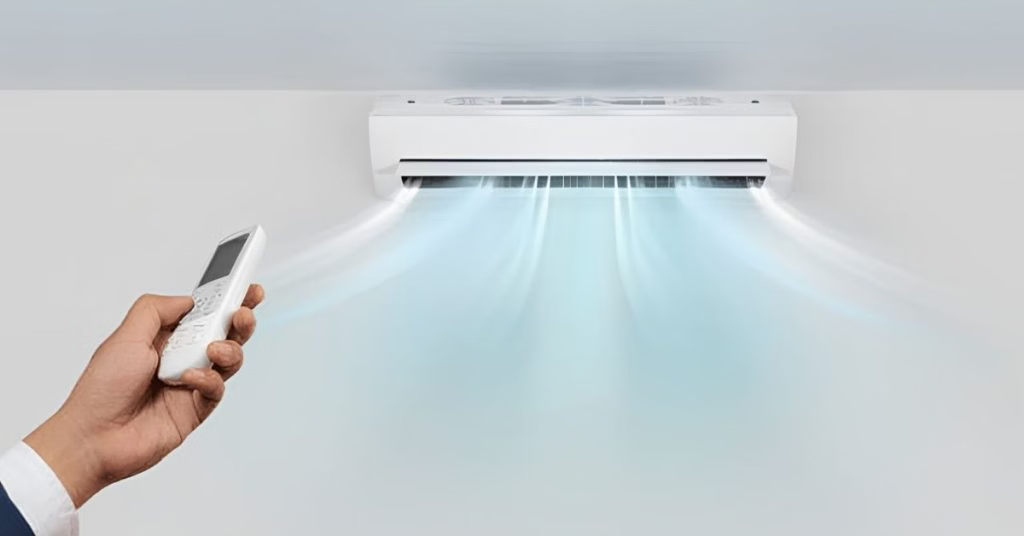
Air conditioners provide quick relief during extreme heat, but prolonged or careless use may affect health, especially when rooms become too cold, dry or poorly ventilated.
Health experts say air conditioning can help reduce the risk of heat-related illness in hot and humid weather. However, regular exposure to cold and dry indoor air may cause skin dryness, eye irritation, nasal dryness, sore throat, headaches and discomfort in some people.
Air conditioners cool indoor spaces by reducing both temperature and humidity. While this makes the environment more comfortable, it can also dry out the skin and mucous membranes, particularly among people with sensitive skin or existing allergies.
Doctors advise people who spend long hours in air-conditioned rooms to drink enough water and maintain indoor moisture where possible. Staying hydrated can help reduce dryness and irritation caused by continuous exposure to cold air.
AC use is also important in areas facing severe heatwaves. In extremely hot conditions, cooling can protect vulnerable people from heat exhaustion and heat stroke. Older adults, children, outdoor workers and people with heart or respiratory conditions may face higher health risks during intense heat.
Experts also warn that poorly maintained air conditioners can worsen indoor air quality. If filters are not cleaned regularly, dust, allergens and germs may circulate in the room, creating problems for people with asthma, allergies or other breathing conditions.
Spending too much time directly in front of cold airflow may also cause muscle stiffness, joint discomfort or body aches. Health experts recommend avoiding direct exposure to chilled air for long periods.
To reduce the possible effects of AC use, experts advise keeping the temperature moderate, cleaning filters regularly, drinking enough water and allowing fresh air circulation when possible.
Used carefully, air conditioning can remain an effective way to stay safe in hot weather while reducing the risk of discomfort linked to cold and dry indoor air.
Also Read :YouTube Settles Teen’s Social Media Addiction Lawsuit Ahead of Trial