
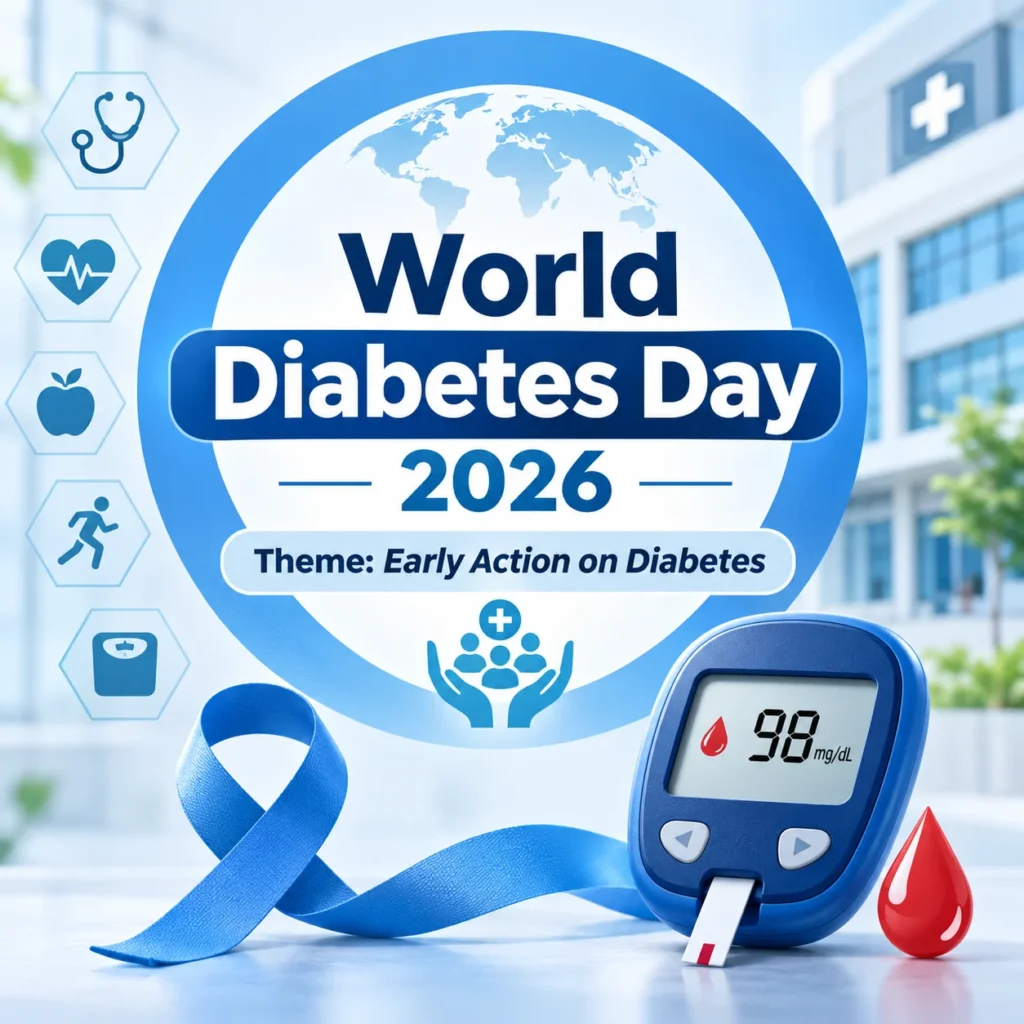
World Diabetes Day, observed annually on November 14, brings governments, healthcare professionals, community organisations and people living with diabetes together to raise awareness about a disease affecting millions of families worldwide.
The date marks the birthday of Sir Frederick Banting, whose work with Charles Best led to the discovery of insulin. While the observance recognises this important scientific milestone, its broader purpose is to encourage early diagnosis, reduce health risks and improve access to effective diabetes care.
According to the International Diabetes Federation (IDF), an estimated 589 million adults aged 20 to 79 were living with diabetes in 2024, representing nearly one in nine adults. Around 252 million people are estimated to be unaware that they have the condition. If current trends continue, the number could rise to 853 million by 2050.
The burden is particularly significant in low- and middle-income countries, where access to diagnosis, medicines and regular medical follow-up can be limited.
For 2026 and 2027, World Diabetes Day is being observed under the theme “Early Action on Diabetes.” This year’s campaign focuses on early diagnosis and reducing risk, encouraging people to seek medical advice and testing rather than waiting for serious symptoms to develop.
Early action may involve a blood glucose test, consultation with a healthcare professional, improvements in daily habits or consistent treatment following diagnosis.
Understanding Diabetes and Its Risks
Diabetes is a chronic condition in which blood glucose, commonly known as blood sugar, remains too high because the body does not produce enough insulin or cannot use it effectively. Insulin helps glucose move from the bloodstream into cells, where it is used for energy.
Over time, uncontrolled blood glucose can damage blood vessels and nerves, increasing the risk of heart disease, stroke, kidney disease, vision loss and foot complications.
There are several forms of diabetes. Type 1 develops when the immune system destroys insulin-producing cells in the pancreas. It is not caused by eating sugar or lifestyle choices, and people with this condition require insulin to survive.
Type 2 is the most common form. It develops when the body becomes resistant to insulin or cannot produce enough to maintain healthy blood glucose levels. Risk factors include age, family history, genetics, weight, physical inactivity and wider social conditions.
Gestational diabetes is high blood glucose first recognised during pregnancy. It requires medical attention because it can affect both the parent and baby and is associated with a higher future risk of type 2 diabetes.
Recognising Warning Signs
Type 2 diabetes can develop gradually and may remain undetected for years. This makes screening particularly important for people with risk factors, including a family history of diabetes, previous gestational diabetes, high blood pressure, excess weight, limited physical activity, older age or a history of elevated blood glucose.
Possible symptoms include unusual thirst, frequent urination, fatigue, blurred vision and unexplained weight loss. Anyone experiencing these symptoms should contact a healthcare professional.
Severe symptoms such as vomiting, abdominal pain, deep or rapid breathing, confusion or marked drowsiness may indicate a medical emergency and require urgent care.
A blood test is needed to confirm diabetes. The appropriate test and timing depend on an individual’s health and risk factors, so medical advice is important.
Practical Steps to Reduce Type 2 Diabetes Risk
Type 2 diabetes can often be prevented or delayed, particularly among people at increased risk. However, no single food, supplement or daily routine guarantees prevention. Sustainable habits and supportive healthcare are more effective than short-term restrictive programmes.
Regular physical activity helps the body use insulin more effectively. The World Health Organization recommends that adults aim for at least 150 minutes of moderate-intensity physical activity each week, adjusted according to their health and abilities.
Brisk walking, cycling, dancing, household activities and sport can all contribute. People who have been inactive can begin with shorter sessions and gradually increase their activity.
A balanced diet can also support better health. Meals can include vegetables, fruit, beans, lentils, whole grains and nuts where suitable. Choosing water or unsweetened drinks more often and limiting sugary beverages, excess added sugar, highly processed foods and foods high in unhealthy fats or salt can help.
For people above a healthy weight, modest and sustainable weight loss may reduce the risk of type 2 diabetes. Avoiding tobacco and managing blood pressure and cholesterol are also important for long-term health.
Replacing Myths With Facts
World Diabetes Day also provides an opportunity to challenge misconceptions. Diabetes is not simply the result of eating sweets, and people living with the condition should not be blamed for their diagnosis.
Type 1 diabetes cannot currently be prevented, while type 2 risk can often be reduced. However, lifestyle choices do not explain every case, and healthy habits cannot replace prescribed medical treatment.
Accurate information can reduce stigma and encourage people to seek testing, advice and support without fear of judgement.
Why Continuous Care Matters
For people already diagnosed, early and consistent treatment is essential. Depending on individual needs, diabetes management may involve glucose monitoring, medication or insulin, nutritional support and regular checks of blood pressure, cholesterol, kidney function, eyesight, nerves and feet.
Treatment plans must be tailored to each person. Patients should not start, stop or change medicines based on social media advice or general awareness articles. Questions about treatment, medicines and affordability should be discussed with healthcare professionals.
Families can also play a positive role by offering support, listening and helping with medical appointments without blaming or policing the person’s food choices.
The Role of Governments and Communities
Effective diabetes prevention and care require more than individual effort. Primary healthcare services need to provide accessible information, risk assessments, testing and reliable follow-up.
Schools, workplaces and community organisations can promote health education and make nutritious food and physical activity more accessible. Governments can strengthen healthcare systems by improving access to essential medicines and diagnostic services, training health workers and supporting safer environments for walking and other physical activities.
On World Diabetes Day, individuals can take a practical step by learning about their personal and family risk, asking a healthcare professional whether testing is appropriate, adopting a sustainable physical activity routine or helping someone already diagnosed access respectful care.
The blue circle, the global symbol of the campaign, can help start conversations. But meaningful awareness requires making prevention, diagnosis and treatment accessible.
Diabetes remains a growing global challenge, but its complications are not inevitable. Prevention, timely diagnosis and consistent care can reduce the risks and help people live healthier lives. witten By Zaheeruddin M Babar