
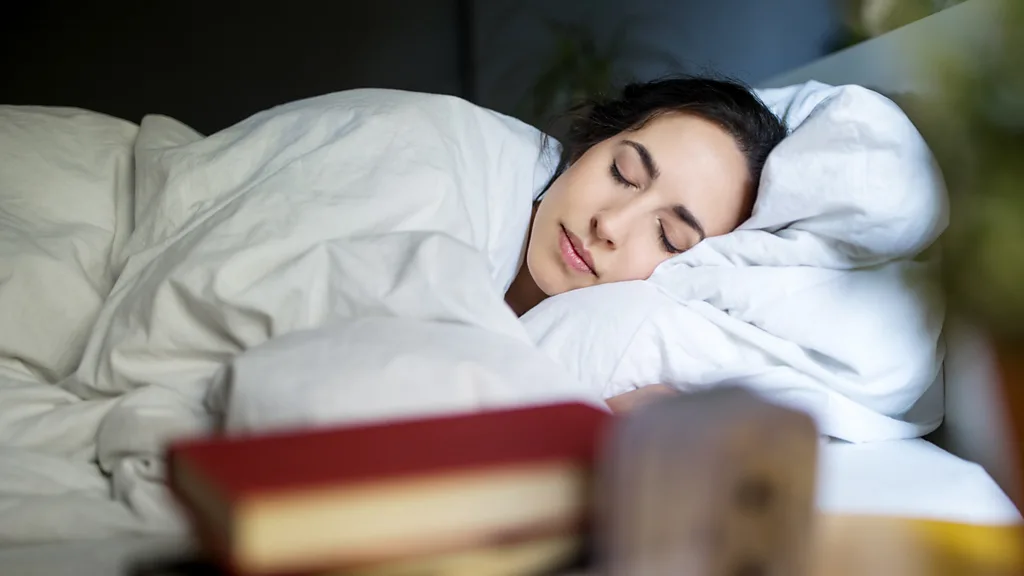
Waking up early in the morning can become increasingly difficult during colder months, with many people experiencing persistent tiredness, sleepiness and a lack of energy throughout the day.
Medical experts say these changes are common during winter, as the human body may naturally require more sleep when temperatures drop and daylight hours become shorter.
Research published in February 2023 at Berlin’s St. Hedwig Hospital in Germany found that people tend to sleep longer during winter compared with other seasons.
According to the research, average sleep duration during winter was approximately one hour longer than in summer. However, many people continue following their usual daily routines and do not get the additional sleep their bodies may need, resulting in tiredness and daytime drowsiness.
Winter Sleep Becomes Deeper
The research also suggested that deep sleep duration increases during winter, with researchers observing an increase of up to 30 minutes compared with warmer seasons.
Deep sleep plays an important role in maintaining overall health. It supports memory, concentration, emotional well-being and the immune system.
During this stage, the brain remains actively involved in important restorative processes that help the body recover.
Researchers suggest that people may benefit from adjusting their sleeping habits according to seasonal changes, including going to bed earlier during winter.
How Daylight Affects Sleep
Sunlight plays an important role in regulating the body’s internal clock, also known as the circadian rhythm, which determines when people feel sleepy and when they become more alert.
During daylight hours, people generally feel more active, while darkness signals the body to prepare for sleep.
In winter, shorter daylight hours and prolonged darkness can affect this natural cycle.
Reduced exposure to sunlight also influences the production of melatonin, a hormone that helps regulate sleep.
Melatonin production begins earlier during winter because darkness arrives sooner, making people feel sleepy earlier in the evening and potentially affecting their morning alertness.
As a result, the body may naturally seek additional rest during colder months.
Experts suggest maintaining a consistent sleep schedule and allowing sufficient time for rest to support better sleep and daytime energy during winter.
Note: This article is based on information published in medical journals. Readers should consult a healthcare professional for individual medical advice.