
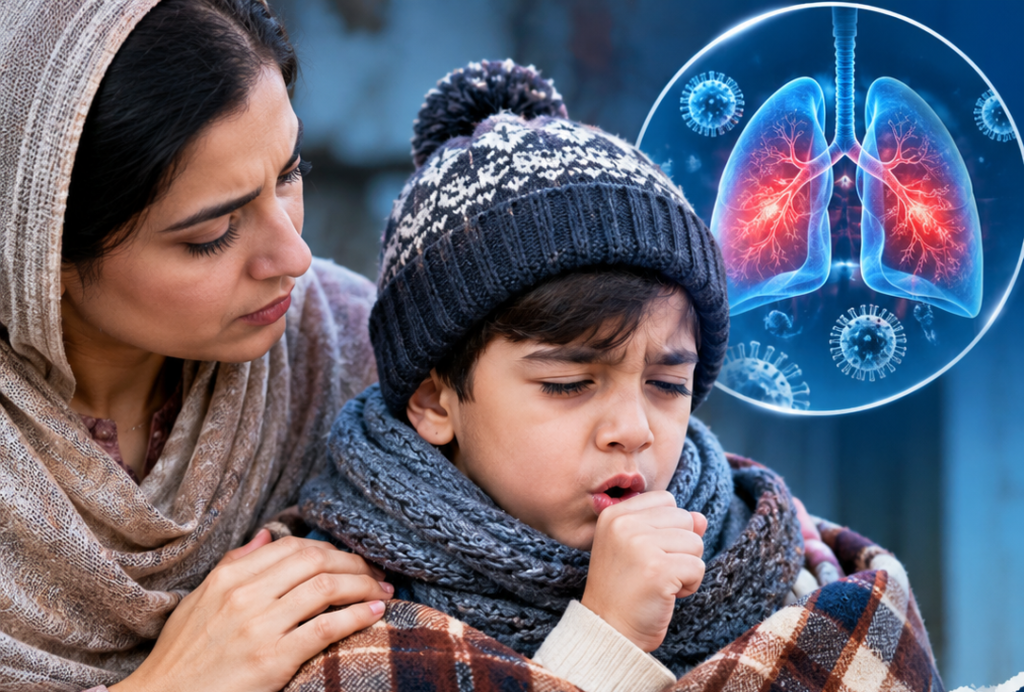
Medical experts say parents can take several essential precautions to protect children from pneumonia during the winter months. Vaccination, breastfeeding, proper nutrition, hygiene and a smoke-free environment are among the key preventive measures.
Vaccines are available to protect newborns and young children against infections that can cause pneumonia. Although these vaccines are not all administered on the first day of life, vaccination usually begins during the first few months.
According to experts, the pneumococcal vaccine, which protects against one of the most common bacterial causes of pneumonia, is generally started when a baby is around six weeks old. Additional doses and a booster shot are given later according to the recommended schedule.
The Haemophilus influenzae type B (Hib) vaccine, which is included in routine combination vaccines for children, also begins during this period. Parents should consult their child’s doctor for the appropriate vaccination dates.
Vaccines administered after birth help protect newborns against serious and potentially life-threatening infections while supporting the development of their immune systems.
Vaccination against measles and whooping cough also helps reduce the risk of pneumonia associated with these illnesses. Since infants younger than six months cannot receive the flu vaccine directly, parents, pregnant women and other household members should get vaccinated to help protect babies.
Breastfeeding and Nutrition
Experts recommend exclusive breastfeeding during the first six months of life, where possible.
Once a child starts eating solid foods, parents should provide homemade meals rich in iron and protein, including lentils, eggs, green vegetables, yoghurt and fruits. Children should also get adequate sleep and spend some time outdoors in fresh air.
Maintain a Clean and Smoke-Free Environment
Smoke can seriously harm children’s lungs. Parents should never smoke near children and should ensure that cooking areas have adequate ventilation.
Children should be encouraged to wash their hands with soap before meals and after playing. They should also learn to cover their mouths with their elbows when coughing.
During winter, experts recommend dressing children in several light layers, keeping rooms comfortably warm and ensuring a regular supply of fresh air.
Recognising Warning Signs
Parents should not ignore a cold or flu that lasts longer than expected or becomes more severe.
Warning signs that require medical attention include rapid breathing, chest tightness, reduced food or fluid intake and unusual changes in sleeping patterns. Parents should seek medical advice on the same day if these symptoms appear.
Experts also advise against giving children cough medicine without consulting a doctor. If antibiotics are prescribed, the full course should be completed as directed.
Parents are encouraged to observe their children’s breathing while they are calm or asleep by gently lifting their shirts to watch their chest movements.
Pneumonia symptoms in young children can sometimes be subtle. A baby may, for example, feed poorly or appear unusually quiet rather than showing obvious signs of illness.