
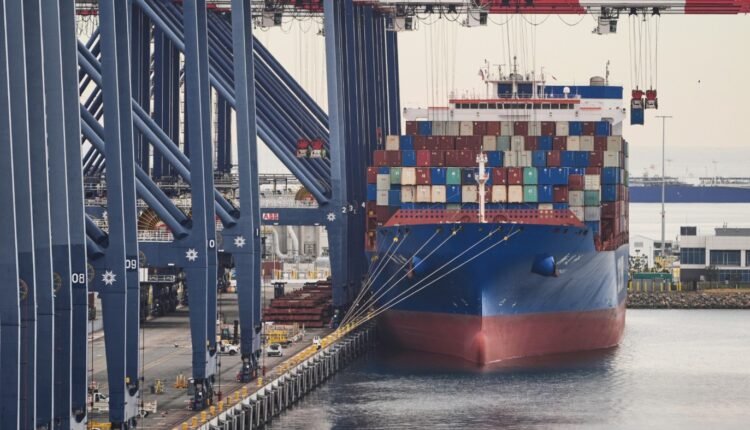
WASHINGTON, November 23, 2026: Major ports and shipping operators across the United States are facing a growing wave of cyberattack attempts, raising concerns over the security of maritime infrastructure and the potential disruption of international oil shipments.
The attacks are targeting digital systems responsible for cargo handling, vessel movements, oil tanker operations and port management, with cybersecurity threats also reported against European maritime operators.
According to a report published by Newsweek, hackers are carrying out thousands of intrusion attempts daily, ranging from automated password attacks to efforts to steal sensitive information and gain unauthorised access to critical infrastructure.
Los Angeles port blocks 120 million attacks
The Port of Los Angeles reportedly blocked approximately 120 million cyberattack attempts in August 2026, nearly twice its monthly average recorded in 2023.
The Port of Corpus Christi in Texas, a major US crude oil export hub handling approximately 2.3 million barrels of oil exports daily, has also faced hundreds or thousands of attempted cyber intrusions each day.
Port officials reported attempts to exploit network vulnerabilities and fraudulent messages impersonating senior executives.
Meanwhile, the US Coast Guard recorded a 17 percent increase in maritime cybersecurity incidents during 2025, reflecting mounting threats to the shipping industry.
Cybersecurity firm Shieldworkz also reported threats against European maritime operators by the Russia-linked hacking group NoName057(16) in October 2026. However, specific affected ports and operational disruptions were not confirmed.
Cyber incidents disrupt maritime operations
The growing cyber threat has already caused operational difficulties at some facilities.
In August 2026, a cyberattack disrupted gate operations at North Carolina Ports, temporarily delaying cargo movement and forcing employees to process shipments manually.
During the same month, the Federal Bureau of Investigation (FBI) and US Coast Guard investigated suspected cyber intrusions involving two vessels transporting crude oil and liquefied petroleum gas towards Galveston, Texas.
The vessels’ computer networks were reportedly compromised near the Strait of Gibraltar, prompting security inspections on August 21 and 24.
Shipping company Maersk also disclosed a data breach in November, although it maintained that its shipping operations remained unaffected and that the incident did not involve ransomware.
Could Pakistan’s oil supplies be affected?
The developments have also raised questions about possible consequences for energy-importing countries, including Pakistan.
Pakistan relies heavily on imported petroleum, with much of its crude oil arriving from Saudi Arabia and other Gulf countries.
However, the reported cyber incidents have primarily affected American ports, European maritime operators and vessels near the Strait of Gibraltar, rather than Pakistan’s principal oil import routes.
A major cyberattack targeting Gulf oil terminals or shipping infrastructure could nevertheless disrupt international fuel deliveries and potentially affect Pakistan’s energy supply chain.
With fuel reserves generally estimated at around 20 to 30 days of demand, prolonged shipping delays could increase pressure on domestic fuel availability.
For now, there are no confirmed reports linking the cyberattacks to oil shipment disruptions or fuel shortages in Pakistan.
Port authorities and shipping companies are strengthening cybersecurity safeguards and contingency arrangements as concerns grow that artificial intelligence could enable attackers to identify vulnerabilities and launch increasingly sophisticated intrusions.