
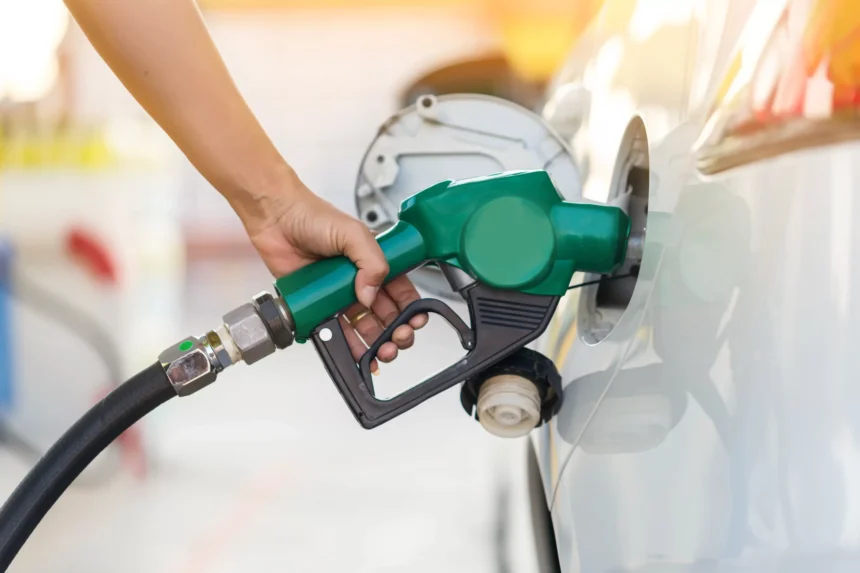
SHANGLA: Following the recent unprecedented surge in petroleum product prices, a sharp and alarming increase in transport fares has been observed in district Shangla and surrounding areas, placing both commuters and transporters under severe strain.
According to details, intra-district passenger vehicles in Shangla have increased fares by up to 100 percent, while transport operating on inter-district routes has raised fares by more than 80 percent. This sudden and extraordinary hike has triggered daily incidents of verbal altercations and disputes between passengers and transporters, further aggravating the already tense situation.
Commuters have expressed deep concern over the situation, stating that they are already burdened by rising inflation, and the additional increase in transport fares has made daily travel unaffordable. Regular travelers, including students, laborers, and low-income workers, are among the worst affected, with many finding it increasingly difficult to manage routine commuting expenses.
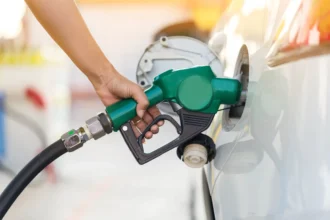
On the other hand, transporters argue that the fare increase is a matter of compulsion rather than choice. A local transporter, while explaining the situation, revealed that diesel prices have surged by as much as Rs184 per litre overnight, while petrol prices have increased by Rs137 per litre. This drastic rise in fuel costs, he said, has made it nearly impossible to operate vehicles without increasing fares.
Transporters further highlighted that, in addition to fuel, other operational costs such as spare parts, vehicle maintenance, and taxes have also witnessed a significant increase. They maintained that even after raising fares by 100 percent, they are still struggling to meet operational expenses. Moreover, refusal by passengers to pay the increased fares often leads to heated arguments and, in some cases, physical confrontations.
Social and public circles have strongly criticized the recent hike in petroleum prices, terming it a new wave of economic hardship imposed on the already struggling population. They warned that if immediate steps are not taken, the situation could spiral into a more severe economic crisis.
Public representatives and civil society members have urged the government to either reverse the recent increase in petroleum prices or provide immediate relief measures to the masses. They also called for the formulation of an effective policy to regulate transport fares, ensuring fairness for both commuters and transporters, and reducing the growing tension between the two groups.
The residents of Shangla have appealed for urgent government intervention, emphasizing that without timely action, the ongoing crisis could further deteriorate, severely impacting daily life and economic stability in the region.

 Today's E-Paper