
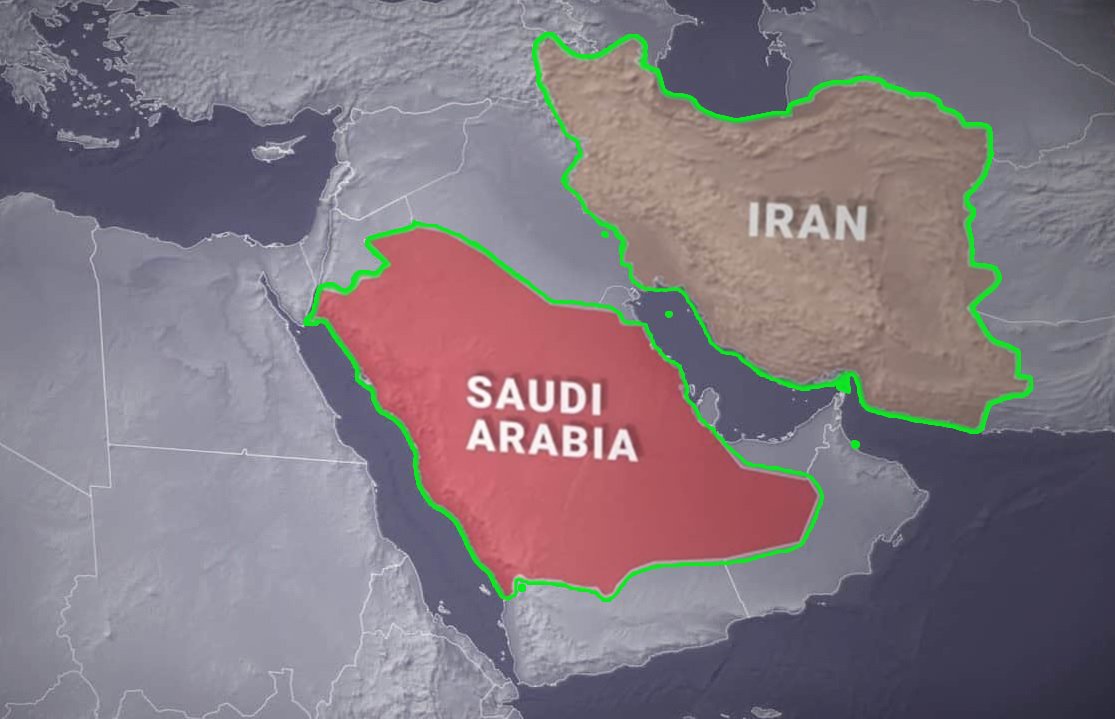
ISLAMABAD, Apr — A reported strike on Saudi Arabia’s Jubail petrochemical complex has raised fresh concerns over regional stability, energy security and ongoing diplomatic efforts, including Pakistan-led mediation aimed at de-escalation.
The attack targeted a key industrial facility central to Saudi Arabia’s energy and economic infrastructure, marking a significant escalation in the ongoing regional tensions. Analysts say the focus on economic assets highlights a shift from conventional military targets to strategic infrastructure.
Officials and observers also point to a series of recent incidents involving Saudi-linked targets, suggesting sustained pressure on the Kingdom’s economic centres.
Economic and symbolic significance
Jubail is one of Saudi Arabia’s largest petrochemical hubs and a critical component of its industrial output. Experts say any disruption to such facilities can have wider implications for energy markets and financial stability.
Some analysts and commentators have also described attacks on major economic centres as indirectly affecting the broader security environment of Saudi Arabia, including areas regarded as religiously significant due to the country’s custodianship of Islam’s holy sites.
Timing complicates mediation efforts
The development comes at a sensitive moment, as Pakistan has been engaged in diplomatic efforts to ease tensions between regional actors.
Diplomatic observers say the timing of the strike may complicate these efforts by reducing trust and narrowing the space for dialogue. Pakistan has consistently called for restraint and positioned itself as a mediator seeking a negotiated resolution.
Pakistan-Saudi ties and strategic implications
Pakistan and Saudi Arabia maintain close strategic, economic and defence ties, which analysts say add further significance to developments affecting Saudi security.
Policy experts note that existing defence cooperation frameworks between the two countries could shape responses depending on how the situation evolves.
At the same time, Pakistan has emphasised a balanced approach, advocating de-escalation and dialogue in line with its diplomatic role.
Concerns over escalation and regional stability
Analysts warn that continued targeting of critical infrastructure increases the risk of broader regional escalation, particularly if responses intensify.
There are also ongoing discussions among experts regarding decision-making dynamics within regional actors and how such actions may impact conflict management and peace efforts.
Calls for restraint remain central
Despite rising tensions, diplomatic channels remain open. Experts stress that immediate de-escalation is essential to prevent further instability in energy markets and regional security.
Pakistan-led mediation efforts are expected to continue, although the latest developments may present new challenges to achieving a peaceful outcome.


 Today's E-Paper