
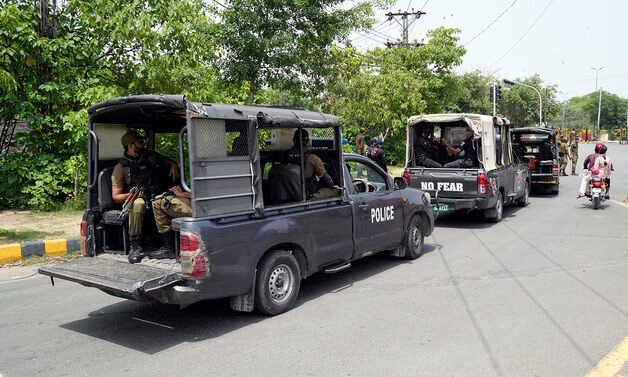
A new report by the Human Rights Commission of Pakistan (HRCP) alleges that more than 900 people were killed in police encounters in Punjab province within eight months, raising concerns about extrajudicial killings and due process.
The report focuses on the Punjab Police Crime Control Department (CCD), a specialised unit established in April 2025 to combat organised crime. According to the HRCP, at least 924 suspected offenders were killed in 670 police encounters between April and December 2025. The commission describes the pattern as a “systemic policy of extrajudicial killing” in violation of constitutional protections.
Punjab, Pakistan’s most populous province, is led by Chief Minister Maryam Nawaz Sharif of the Pakistan Muslim League-Nawaz party.
Family testimony and legal concerns
The HRCP report highlights individual cases, including that of Zubaida Bibi from Bahawalpur, who told a fact-finding mission that five male relatives were killed in separate police encounters within 24 hours after being taken into custody. The family denies the men had criminal records and alleges intimidation when seeking legal recourse.
The commission states that multiple first information reports (FIRs) examined during its inquiry contained “strikingly similar” language describing suspects allegedly opening fire first, prompting police to respond in self-defence. It noted repeated phrasing across districts and incidents, suggesting standardised reporting.
The HRCP also said families were, in some cases, instructed to bury the deceased quickly, limiting opportunities for independent postmortem examinations.
Sharp rise after new unit formed
The CCD was formally constituted in April 2025 as part of the provincial government’s “Safe Punjab” initiative. It was mandated to tackle serious and organised crime, including armed gangs and inter-district criminal networks.
According to the HRCP, encounter killings increased sharply following the unit’s formation. In 2024, 341 suspects were reportedly killed in police encounters across Punjab and Sindh combined. By contrast, the CCD alone recorded more than 900 suspected deaths in Punjab within eight months of its creation.
The highest number of reported encounters occurred in Lahore, followed by Faisalabad and Sheikhupura. The largest category of those killed were suspects accused of armed robbery or dacoity, followed by individuals linked to narcotics, robbery and murder cases.
Government and police response
In court submissions cited by the HRCP, the CCD has said its intelligence-driven operations led to a significant reduction in property crimes and dacoity-related murders compared with the previous year. The department has rejected allegations of extrajudicial killings and said it operates within the law.
The HRCP maintains that even if crime rates have declined, the method of enforcement is critical. It argues that criminal allegations must be addressed through investigation, prosecution and judicial proceedings rather than summary execution.
Requests for detailed encounter procedures and meetings with senior officials, the commission said, did not receive formal responses at the time of publication.
A decade of encounter cases
HRCP annual reports document nearly 5,000 police encounter cases nationwide over the past decade up to 2024, with close to 2,000 recorded in Punjab. While encounter figures remained below 400 annually in Punjab between 2020 and 2023, the number rose sharply in 2024 and increased further after the CCD’s establishment.
Legal experts cited in the report say encounter killings have long been associated with weaknesses in the criminal justice system, including delays, investigative gaps and political pressure to demonstrate control over crime.
The debate has renewed scrutiny over law enforcement practices in Punjab and the balance between crime control and constitutional safeguards, particularly the right to life and due process.




 Today's E-Paper