
Islamabad — January 2026
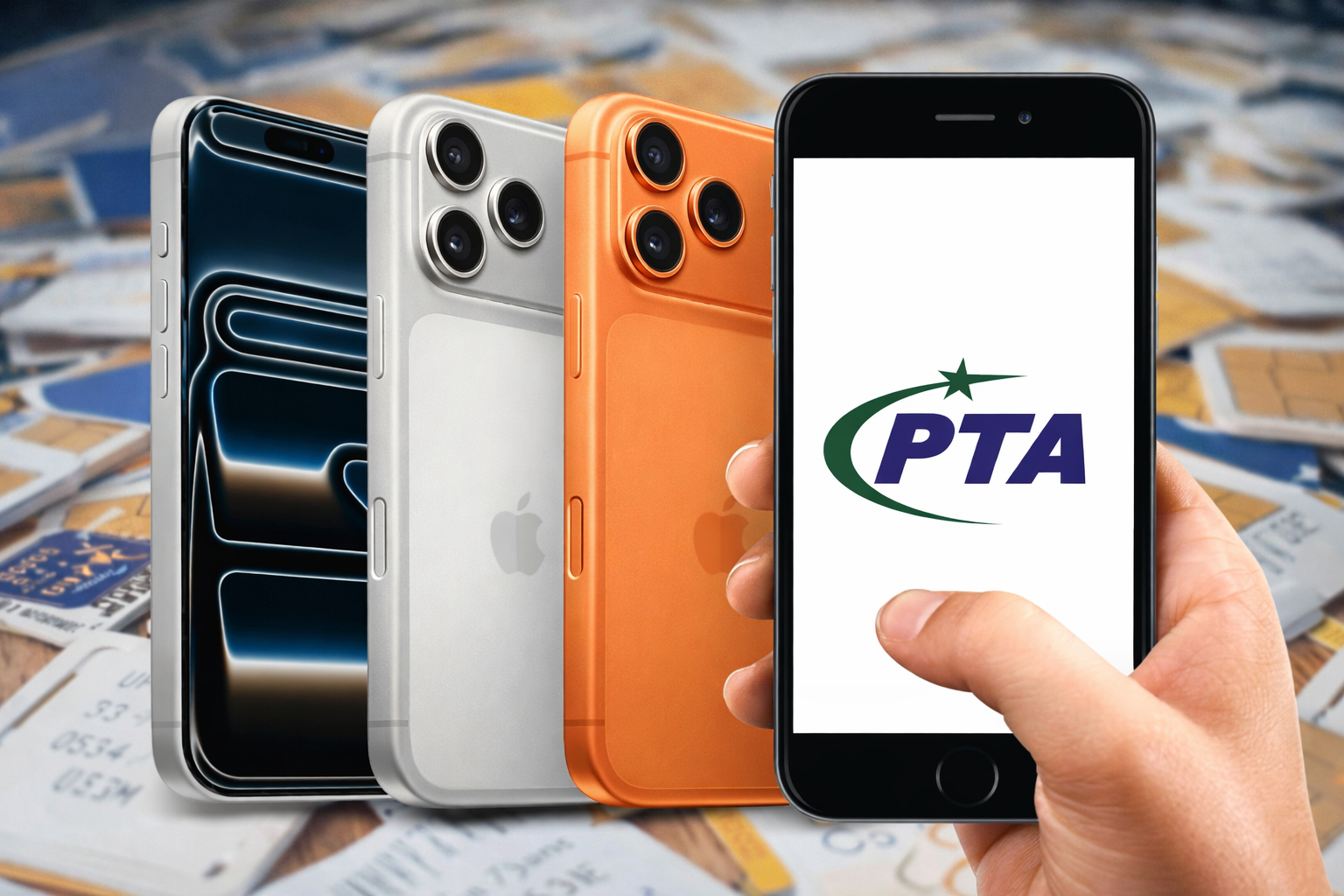
The Apple iPhone 17 series has entered the Pakistani market, but buyers continue to face high PTA approval costs whether the device is brought from abroad or purchased locally. The final cost difference depends largely on how the phone is imported and registered under Pakistan’s telecom regulations.
Under Pakistan’s Pakistan Telecommunication Authority Device Identification Registration and Blocking System (DIRBS), all mobile phones must be registered to work on local SIM networks. Unregistered devices are blocked after a grace period and can only be used on Wi-Fi.
Bringing an iPhone 17 from abroad vs buying locally
1) If you bring an iPhone 17 from abroad
When a user brings an iPhone from another country, PTA tax must be paid during registration. The amount depends on whether registration is done on a passport (usually cheaper) or a CNIC.
Estimated PTA tax for imported iPhone 17 models:
| Model | Passport registration | CNIC registration |
|---|---|---|
| iPhone 17 | ~PKR 128,766 | ~PKR 154,293 |
| iPhone 17 Air | ~PKR 151,322 | ~PKR 175,949 |
| iPhone 17 Pro | ~PKR 193,454 | ~PKR 210,317 |
| iPhone 17 Pro Max | ~PKR 182,710 | ~PKR 213,631 |
Imported phones are usually cheaper upfront abroad, but PTA tax is paid separately after arrival.
Also Read: Firewall Upgrade: PTA Begins Next‑Gen Project to Strengthen Pakistan’s Cybersecurity
2) If you buy an iPhone 17 locally in Pakistan
Locally sold iPhones are typically already PTA-approved. This means:
-
PTA tax is included in the retail price
-
No separate registration process is required
-
The phone works immediately with local SIMs
However, the downside is that market prices are significantly higher, as sellers pass on all duties, taxes, and profit margins to consumers.
In simple terms:
-
Imported phone: lower purchase price + high PTA tax later
-
Local phone: higher purchase price but no separate PTA payment
Why PTA registration tax matters
If PTA tax is not paid within the allowed period:
-
The phone is blocked from calls, SMS, and mobile data
-
It becomes Wi-Fi only until registration is completed
PTA charges are part of a broader tax framework involving the Federal Board of Revenue, including customs duty, sales tax, and withholding taxes.
How PTA tax is calculated
PTA tax is not a fixed amount. It is calculated through:
-
FBR-set customs value (USD-based)
-
Conversion to PKR using current exchange rates
-
Application of customs, regulatory, sales, and withholding duties
-
Final payable amount for PTA registration
Fluctuations in the dollar rate can slightly change the final tax.
Government stance and buyer concerns
Authorities say the PTA system helps:
-
Curb mobile phone smuggling
-
Ensure tax compliance
-
Regulate telecom networks
However, consumers and traders argue that:
-
PTA taxes on flagship phones are excessively high
-
The cost places premium smartphones beyond the reach of many users
To ease the burden, some banks and retailers now offer installment plans for PTA tax payments, particularly for high-end models.
What buyers should do before purchasing
-
Check exact PTA tax for your model using an official calculator
-
Decide whether passport registration is available to you
-
Compare total cost (phone price + PTA tax) with local market prices
-
Prefer authorized sellers if buying locally to avoid SIM or warranty issues





 Today's E-Paper