
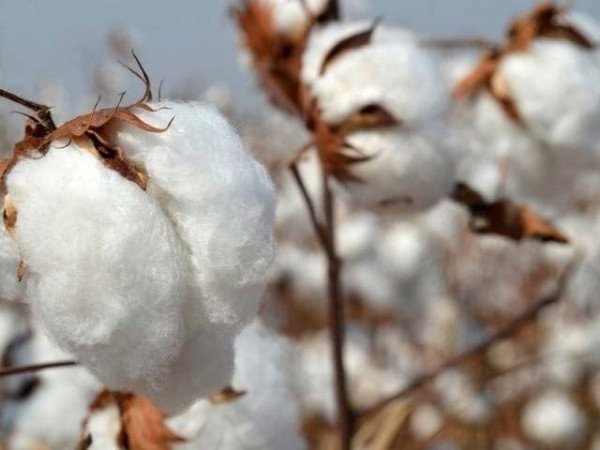
Pakistan’s cotton sector is facing a significant production shortfall, with the country expected to remain heavily dependent on imports to meet the needs of its textile industry.
Mian Zahid Hussain, Chairman of the FPCCI Policy Advisory Board, backed the demands of cotton ginners and said the decline in domestic cotton production was putting pressure on both farmers and the country’s textile and export sectors.
The Federal Committee on Agriculture has set a cotton production target of 9.64 million bales for 2026-27, with cultivation planned over 2.16 million hectares. However, the latest USDA outlook places Pakistan’s 2026-27 cotton production at about 5 million bales, indicating a substantial gap between the official target and the current international production forecast.
Mian Zahid said such a shortfall would increase Pakistan’s reliance on imported cotton and could place additional pressure on foreign exchange reserves. He argued that the resulting import expenditure would benefit farmers in other countries rather than Pakistan’s growers.
Pakistan’s cotton production has remained well below its targets in recent years. According to data cited by industry sources, the country produced around 5.6 million bales in 2025-26, against an official target of more than 10 million bales.
USDA data also show the extent of Pakistan’s dependence on imported cotton. Its Pakistan cotton report estimated 2025-26 imports at around 5.0 million bales, while domestic production was estimated at approximately 5.3 million bales. For 2026-27, USDA’s latest outlook projects production at roughly 5 million bales.
Mian Zahid attributed the decline to several factors, including a reduction in cotton cultivation, high industrial energy costs, taxation and competition from alternative crops. He also criticized the expansion of sugarcane cultivation in traditional cotton-growing areas.
He called for sugar mills operating in designated cotton zones to be relocated and urged the government to fully implement the Cotton Control Act. He also supported demands to remove sales taxes on cotton and related by-products, eliminate fixed charges in electricity bills and provide the ginning sector with industrial energy tariffs.
The FPCCI official further called for an emergency implementation of the Pakistan Cotton Ginners Association’s proposed “Grow Cotton, Save the Economy” campaign and urged authorities to facilitate access to climate-resilient seeds and modern production technologies.
The government has itself acknowledged the challenge of meeting its cotton targets. In April, the Federal Committee on Agriculture fixed the 2026-27 production target at 9.64 million bales, while subsequent industry representatives questioned whether the target was realistic given recent production trends.
Pakistan’s cotton sector remains closely linked to the country’s textile industry, making sustained improvements in domestic production important for reducing import dependence and supporting agricultural and export activity.