
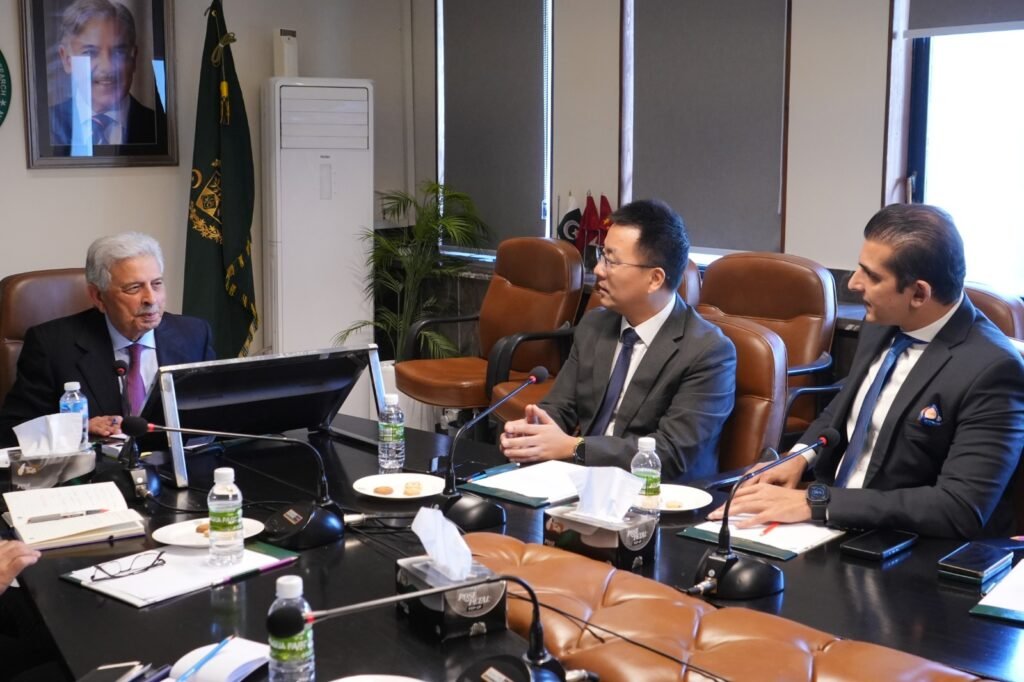
ISLAMABAD, November 23, 2026: Pakistan and global agricultural technology company Syngenta have explored opportunities for cooperation in biotechnology, high-yield seed development and agricultural research to improve crop productivity, strengthen food security and promote sustainable agricultural growth.
The discussions took place during a meeting between Federal Minister for National Food Security and Research Rana Tanveer Hussain and a high-level Syngenta delegation led by Minji Ying, Head of Seeds for Africa, Middle East and Asia.
The meeting focused on modern seed technologies, regulatory reforms, agricultural innovation and enhanced public-private collaboration.
Rana Tanveer Hussain said agricultural modernization, improved seed quality and technological innovation remained central to the government’s strategy for strengthening Pakistan’s agricultural economy and ensuring national food security.
He highlighted the importance of facilitating responsible investment in advanced seed technologies to improve crop yields, enhance climate resilience and increase farmers’ profitability.

Biotechnology and Regulatory Reforms
The meeting discussed the implementation of the National Biotechnology Policy and opportunities for the responsible commercialization of genetically modified (GM) crops in accordance with national biosafety requirements and applicable regulatory frameworks.
The minister stressed the need for an efficient, transparent and science-based regulatory environment that encourages agricultural innovation while protecting the environment and farmers’ interests.
Discussions also focused on improving institutional coordination to facilitate the timely evaluation, registration and introduction of modern crop varieties.

Focus on Hybrid Wheat, Cotton and Maize
Both sides explored opportunities for introducing improved cotton and maize varieties, expanding access to high-performing international germplasm and meeting the growing demand for grain and silage production.
Rana Tanveer Hussain welcomed potential collaboration in wheat research and development, including emerging hybrid wheat technologies, describing improved wheat productivity as a national priority.
The Syngenta delegation also presented suggestions regarding seed import procedures, crop variety evaluation, plant quarantine requirements and regulatory processes.
The classification of biological agricultural products and pesticide shelf-life regulations also came under discussion.
The minister said the proposals should be examined through appropriate institutional consultations, taking into account scientific evidence, international best practices and Pakistan’s regulatory requirements.
Public-Private Collaboration
Rana Tanveer Hussain emphasized that international agricultural technology companies could contribute to Pakistan’s transition towards a more productive, competitive and climate-resilient agricultural sector.
He said collaboration between government institutions, research organizations and private-sector companies was essential for accelerating technology transfer, strengthening domestic agricultural capabilities and ensuring farmers’ access to modern technologies.
The meeting concluded with a commitment to continued engagement, stronger institutional coordination and exploration of practical opportunities for cooperation in seed development, biotechnology and agricultural innovation.
The Syngenta delegation also included Zeshan Baig, General Manager Syngenta Pakistan; Khurram Shahzad, Business Unit Head, Field Crops; Muhammad Shoaib, Manager, Seeds and Traits Regulatory Affairs; and Hamad Taifoor Abbassi, Coordinator, Corporate Affairs.