
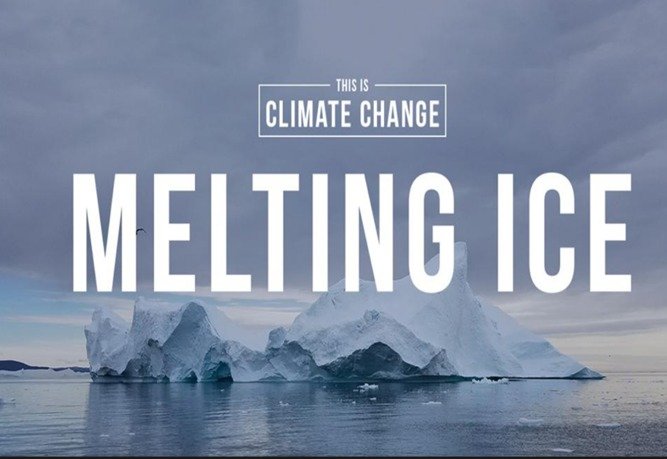
ISLAMABAD, Oct 7: Pakistan’s water security is increasingly tied to the stability of more than 13,000 glaciers in the Hindu Kush-Karakoram-Himalaya region, where snow and glacier melt supply an estimated 60% to 70% of flows in the Indus River System, according to Ministry of Climate Change and Environmental Coordination documents cited by Wealth Pakistan.
The documents describe the country’s high-mountain cryosphere as a “water tower under pressure,” warning that climate change, shrinking glaciers, unpredictable monsoon patterns and limited water storage are increasing risks for agriculture, settlements, energy and millions of people dependent on the Indus basin.
Pakistan lies on the western edge of the Hindu Kush-Karakoram-Himalaya region, one of the world’s largest stores of glacier ice outside the polar areas.
The documents list 13,032 glaciers and 2,722 glacial lakes in Pakistan, underscoring the scale of the mountain system that supports downstream water supplies.
Around 250 million people living downstream of the broader HKH region depend on water originating from its snow and glaciers, according to the documents.
The pressure is compounded by Pakistan’s limited ability to store river water. National storage capacity is estimated at about 30 days of river flow.
Per-capita water availability has also declined sharply, from about 5,800 cubic metres in 1950 to around 850 cubic metres at present.
Glacier melt, floods and GLOFs raise risks
The climate ministry documents identify glacier retreat as a major long-term threat, with continued ice loss expected to affect the timing and availability of water in the Indus River System.
The presence of 2,722 glacial lakes also increases the need for sustained monitoring because of the danger posed by glacial lake outburst floods, commonly known as GLOFs.
Such events can release large volumes of water suddenly, threatening mountain communities, infrastructure and downstream settlements.
The documents also point to more frequent climate-related hazards, including floods, heatwaves and droughts.
Monsoon becoming harder to predict
Another concern is the changing behaviour of the monsoon.
According to the documents, rainfall is becoming less predictable in timing, intensity and geographical distribution, complicating flood preparedness and water planning.
The combination of erratic rainfall, glacier loss and low storage capacity increases the challenge of managing both water shortages and extreme flood events.
Water stress extends beyond agriculture
The impact of cryosphere change is not limited to irrigation and drinking water.
The documents identify wider risks for hydropower generation, food security, public health, forests and economic activity.
With Pakistan’s population growing and per-capita water availability declining, the pressure on available resources is expected to remain a central policy challenge.
The climate ministry documents call for closer monitoring of glaciers and glacial lakes, stronger disaster preparedness and climate-sensitive water planning linked with agriculture, energy, health and local adaptation.
With as much as 70% of Indus River System flows linked to snow and glacier melt, the condition of Pakistan’s high-mountain water reserves remains central to the country’s long-term water security.