
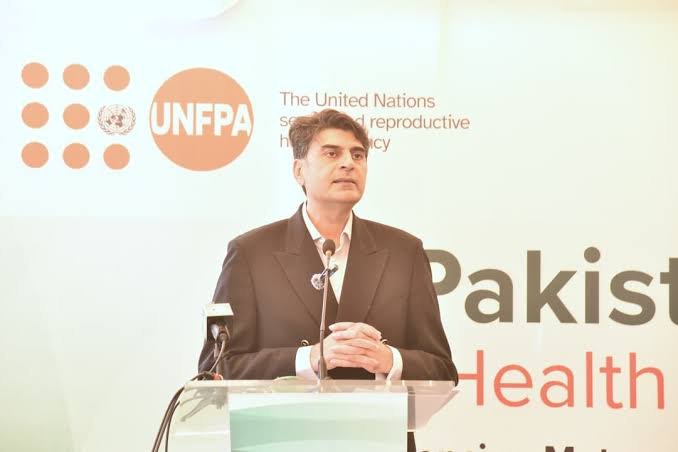
ISLAMABAD, July 30 (ABC): Minister of State for National Health Services, Regulations and Coordination Dr Mukhtar Ahmad Bharath on Thursday warned that Pakistan’s population could reach nearly 400 million by 2040 if timely and effective measures are not taken, calling for collective national action to promote family planning and improve reproductive healthcare.
Addressing a ceremony for the handover of reproductive health and family planning commodities, the minister said population management was not solely the responsibility of the government but required the active participation of every segment of society.
He said family planning was not merely about limiting the number of children but about ensuring that every child was born into a healthy, safe and dignified environment.
Dr Bharath urged parents to consider whether they had the resources to provide adequate nutrition, quality education, timely immunisation, healthcare and proper upbringing before planning their families.
He said low adoption of modern contraceptive methods in Pakistan, compared with countries such as Saudi Arabia, Iran and Türkiye, had contributed to unintended pregnancies and unsafe abortions, posing risks to women’s health and increasing pressure on the healthcare system.
The minister said a healthy mother was the foundation of a healthy family and a strong nation, adding that improving maternal health was essential for the well-being of children and the country’s overall development.
He said Prime Minister Muhammad Shehbaz Sharif had constituted a National Council to address the country’s population challenges. According to him, the council is preparing a comprehensive national strategy to promote balanced population growth, improve maternal and child health, and strengthen family planning services across Pakistan.
Reaffirming the government’s commitment, Dr Bharath said the Ministry of National Health Services would continue working with provincial governments, development partners and other institutions to improve the accessibility, quality and effectiveness of maternal and child healthcare and family planning services nationwide.
Meanwhile, a spokesperson for the Ministry of National Health Services said the Government of China, in collaboration with the United Nations Population Fund (UNFPA), had provided Pakistan with reproductive health and family planning medicines, medical supplies and equipment worth US$2 million.
The supplies were formally handed over at a ceremony held at the Basic Health Unit (BHU), Tarlai, Islamabad. The ministry said the assistance would strengthen reproductive healthcare services, improve maternal and child health outcomes, and expand public access to quality family planning services across the country.