
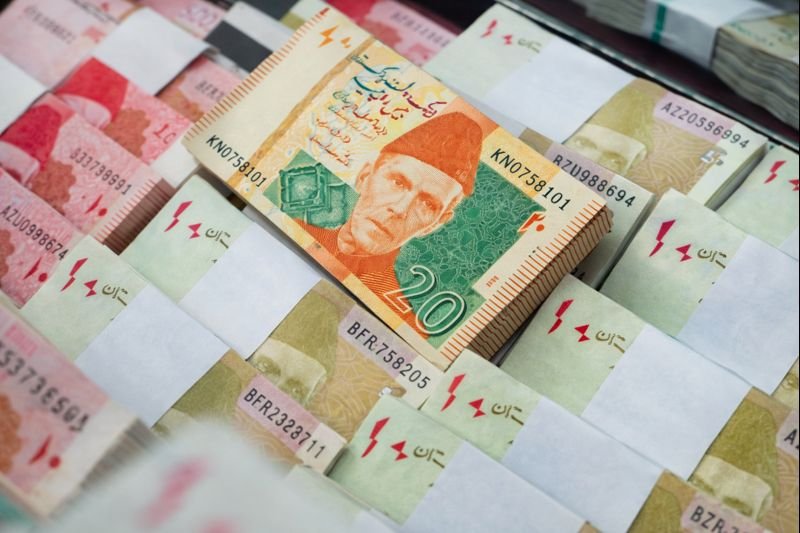
The federal cabinet has directed a detailed review of a proposal to introduce polymer banknotes and discontinue the Rs10 banknote, raising questions about cost, safety, and suitability for local conditions. The matter has been referred to a cabinet committee for further examination before any policy decision is finalised.
The proposals, put forward by the State Bank of Pakistan, affect the future design and material of Pakistan’s currency and could change how low-denomination cash is used nationwide. Cabinet members said a clearer assessment was needed to determine whether the changes would deliver practical and economic benefits.
Safety and durability concerns raised
During the meeting, cabinet members questioned whether polymer banknotes are appropriate for Pakistan’s climate and daily usage patterns. They also sought clarification on public safety aspects, particularly in situations where children may handle or chew currency notes.
Members further asked for a detailed comparison between the Rs10 banknote and the existing Rs10 coin, focusing on production costs, durability, and circulation life, before approving any move to withdraw the note.
Committee to assess new currency series
Following the discussion, the cabinet decided to task a committee with examining the proposed banknote series, including design, material choice, and functional features.
Pakistan to redesign all currency notes; old cash to remain valid
The Finance Division informed the cabinet that Pakistan’s current banknote series was introduced in 2005. Advances in printing technology and security features since then had prompted the SBP to propose a redesigned series aimed at improving counterfeit resistance and public recognition of genuine notes.
Design and security features
According to the briefing, the proposed designs were developed by De La Rue International Limited, selected through a competitive public procurement process.
The new notes would include enhanced security elements visible to the naked eye, such as wider windowed security threads in higher denominations, colour-shifting optically variable magnetic ink, improved watermarks, see-through features, and tactile marks to assist visually impaired users. The designs also feature an updated portrait of Quaid-e-Azam Muhammad Ali Jinnah, sourced from the National Archives of Pakistan, along with crescent, star, geometric, and floral motifs inspired by Islamic art.
Rs10 note and polymer pilot proposal
The SBP board has recommended discontinuing the Rs10 banknote in the new series, citing a printing cost of about 25 percent of its face value, low purchasing power, and an average circulation life of less than nine months. If approved, the Rs20 note would become the lowest denomination banknote in circulation.
The board has also proposed issuing the Rs1,000 note on polymer substrate on a pilot basis to assess performance under local climatic and usage conditions. Any expansion of polymer banknotes to other denominations would require separate approval from the federal government.

 Today's E-Paper