
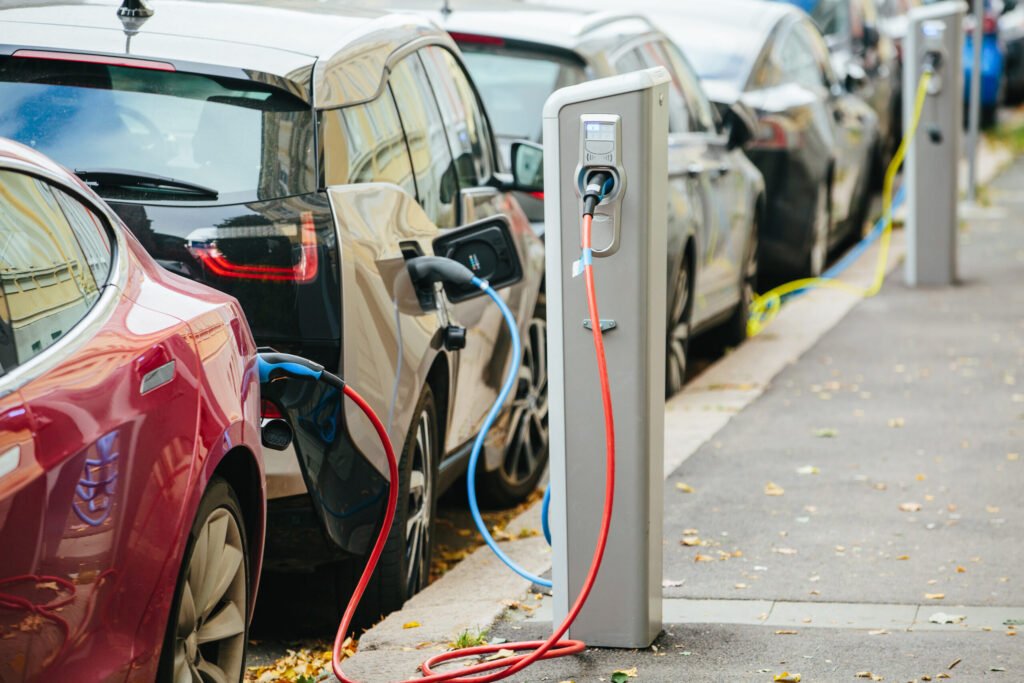
ISLAMABAD, November 8, 2026: The federal government has outlined a proposed Auto Policy 2026–31 featuring higher electric vehicle financing limits, reduced taxes, incentives for charging stations and measures to make locally manufactured vehicles more affordable. However, key fiscal proposals remain subject to approval by the International Monetary Fund (IMF).
The policy framework was presented during a press conference in Islamabad on November 7, attended by Information Minister Attaullah Tarar and Adviser to the Prime Minister on Industries and Production Haroon Akhtar Khan.
The proposed measures aim to accelerate electric vehicle adoption, strengthen domestic automobile manufacturing, encourage exports and increase competition in Pakistan’s automotive market.
Officials indicated that the framework had been settled at the policy level, but final implementation would require the necessary federal cabinet, IMF and regulatory approvals.
EV financing limit may increase to Rs10 million
One of the major proposals would raise the maximum financing limit for electric vehicles from Rs3 million to Rs10 million.
The repayment period could also increase from three to five years, potentially allowing buyers to purchase higher-priced electric vehicles through longer-term instalment plans.
However, the financing changes would require regulatory amendments by the State Bank of Pakistan before banks could implement them.
Proposed EV sales tax rates
The government is considering different sales tax rates for electric and hybrid vehicles, with greater concessions for fully electric models.
| Vehicle category | Proposed sales tax |
|---|---|
| Battery Electric Vehicles (BEVs) | 1% |
| Range-Extended Electric Vehicles (REEVs) | 6% |
| Plug-in Hybrid Electric Vehicles (PHEVs) | 9% |
The proposed rates remain subject to IMF agreement and should not be treated as final.
The framework also reportedly proposes exemptions from Capital Value Tax, Withholding Tax and Federal Excise Duty for eligible electric vehicles valued at up to $50,000.
Electric vehicles exceeding that threshold could be classified as luxury vehicles and taxed under the normal applicable structure.
Tax relief proposed for EV charging stations
The proposed auto policy includes incentives to encourage private investment in electric vehicle charging infrastructure.
Eligible charging station equipment could attract a reduced 1% General Sales Tax, while customs duties on qualifying equipment could be eliminated.
The government is also considering Viability Gap Financing to support charging infrastructure projects that may not initially be commercially viable.
These measures are intended to address concerns over limited charging facilities, which remain a barrier to wider electric vehicle adoption.
Government targets cheaper cars and higher exports
The proposed Auto Policy 2026–31 also focuses on improving the affordability of conventional vehicles, particularly smaller cars used by middle-income households.
The government plans to gradually reduce duties on completely knocked-down (CKD) vehicle kits and components over five years while introducing stronger localisation and export requirements.
Automakers failing to meet prescribed localisation or export targets could face penalties or lose access to incentives.
The government is targeting $6 billion in automotive exports over five years, supported by proposed export rebates and incentives for manufacturers entering international markets.
Information Minister Attaullah Tarar said longstanding protectionist policies had not delivered sufficient improvements in vehicle affordability and quality.
He emphasised greater competition, improved manufacturing standards and reduced costs for consumers.
New levy on petrol and diesel vehicles under consideration
To finance the proposed incentives, the government is considering an Automotive Development Levy on conventional petrol and diesel vehicles.
Earlier drafts suggested a 2% levy on vehicles with engine capacities between 1,001cc and 2,000cc and a 10% levy on vehicles above 2,000cc.
Vehicles with engine capacities of up to 1,000cc were proposed to remain exempt.
However, the levy structure has not been finalised and could change during further policy discussions.
Revenue generated through the proposed levy could support EV incentives, automotive research, export promotion and local vendor development.
New vehicle safety and consumer protection measures
The proposed policy also includes 45 additional vehicle safety standards, independent third-party audits and stronger consumer protection requirements.
One measure would limit advance booking payments to 20% of a vehicle’s price.
The government also intends to encourage greater competition among automakers and improve transparency in the automobile market.
Pakistan’s existing New Energy Vehicle Policy 2025–30 targets electric vehicles accounting for 30% of new vehicle sales by 2030.
Officials believe additional financing, taxation and charging infrastructure incentives could help accelerate progress towards that target.
IMF approval remains the key hurdle
Despite the government’s latest announcement, the proposed Auto Policy 2026–31 has not completed the approval process.
Officials informed the Senate Standing Committee on Industries and Production on November 4 that the draft policy would be forwarded through the Finance Ministry for IMF review.
The proposed EV financing ceiling, revised tax concessions, luxury vehicle threshold and charging infrastructure incentives therefore remain tentative.
Final implementation will depend on IMF agreement, federal cabinet decisions and the necessary regulatory notifications.