
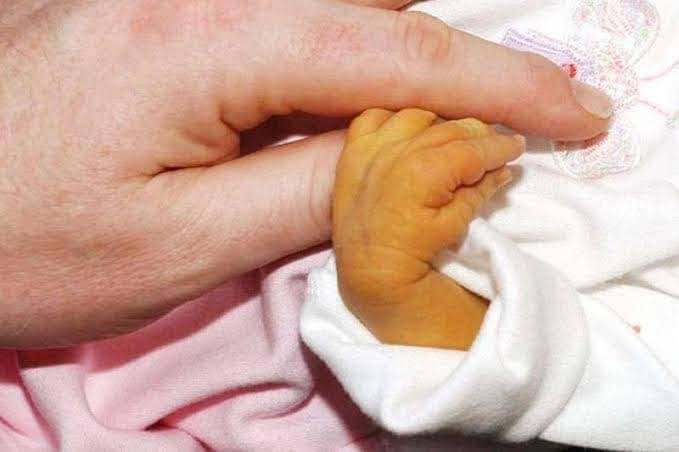
Newborn jaundice is a common condition that affects around 60 per cent of babies. It occurs when bilirubin, a yellow pigment produced during the breakdown of red blood cells, builds up in the blood, causing the baby’s skin and the whites of the eyes to turn yellow.
According to Dr Satya Priya Sahu, a consultant neonatologist at Yashoda Hospitals in Hyderabad, a newborn’s liver is not fully developed at birth and may not be able to remove bilirubin quickly enough.
The condition usually appears on the second or third day after birth and clears up on its own within one to two weeks in most babies. However, jaundice may take three to four weeks to resolve in premature infants.
What Causes Jaundice in Newborns?
Several factors can contribute to elevated bilirubin levels in newborns, including:
Insufficient breast milk or inadequate feeding.
Prolonged jaundice associated with breast milk.
Premature birth.
Blood group incompatibility between the mother and baby.
Bruising or injuries during birth.
Blood or other infections.
Symptoms Parents Should Watch For
The most noticeable sign is yellowing of the skin, which often starts on the face and may spread to the chest and abdomen.
Parents can observe changes in the baby’s skin under natural light. However, skin colour alone cannot accurately determine bilirubin levels. Doctors may use a specialised skin scanner or a blood test to measure them.
How Is Newborn Jaundice Treated?
According to Dr Sahu, not every baby with jaundice requires treatment. If bilirubin levels rise above the recommended threshold, doctors may prescribe phototherapy.
During this treatment, the baby is placed under a special blue light that helps reduce bilirubin levels.
Other treatment measures may include:
Feeding the baby more frequently.
Providing support to improve feeding.
Treating underlying causes, such as infections or blood group incompatibility.
Exchange transfusion in rare and severe cases.
Warning Signs That Require Immediate Medical Attention
Parents should seek prompt medical assessment if:
Yellowing appears within the first 24 hours after birth.
The yellow colour spreads to the hands and feet.
The baby becomes unusually sleepy or is difficult to wake.
The baby refuses to feed or urinates less than usual.
The baby cries continuously or develops a high-pitched cry.
The body becomes stiff or unusually floppy.
The baby arches their back.
The baby develops a fever.
The stool becomes white or unusually pale, or the urine turns dark.
Medical advice is also necessary if jaundice persists for more than two weeks.
Experts caution that exposing a baby to sunlight, giving water or trying herbal and home remedies are not substitutes for medical treatment.
Parents are advised to feed their babies regularly, attend medical check-ups and contact a doctor promptly if unusual symptoms appear.
Health Disclaimer: This article is for informational purposes only and does not replace professional medical advice. Consult a qualified healthcare professional before making decisions about a baby’s health or treatment.