
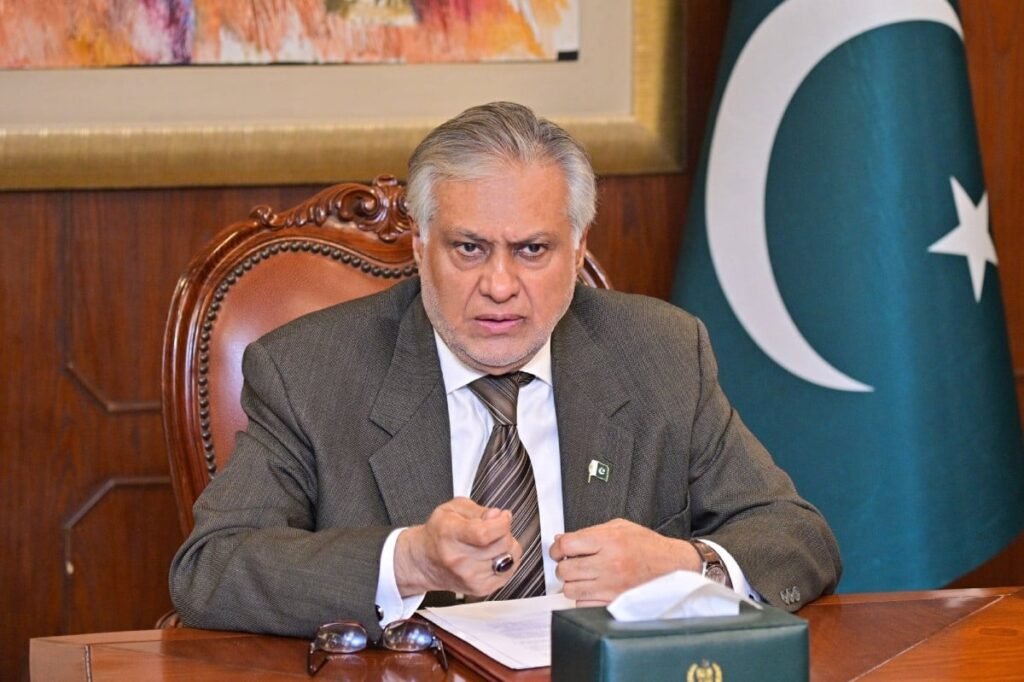
ISLAMABAD, November 18, 2026: Deputy Prime Minister and Foreign Minister Senator Ishaq Dar has said petrol prices in Pakistan have declined by Rs133 per litre and diesel prices by Rs162 per litre from their April peaks, attributing the reductions to government policy measures, structural reforms and adjustments in line with international market conditions.
According to the Associated Press of Pakistan (APP), Dar shared the figures in a post on social media platform X on Wednesday, reaffirming the government’s commitment to reducing the financial burden on citizens despite continuing global economic challenges.
He said petroleum prices had reached their highest levels on April 3, 2026, during the Iran-US conflict, when petrol rose to Rs458 per litre and diesel to Rs520 per litre.
However, following policy interventions under Prime Minister Shehbaz Sharif’s leadership, petrol prices had declined to Rs325 per litre and diesel to Rs358 per litre by November 18, he stated.
The deputy prime minister said the government had implemented changes in petroleum policies, introduced structural reforms and adjusted domestic fuel prices in response to fluctuations in international markets.
He maintained that these measures had contributed to a substantial reduction in fuel prices compared with the levels recorded during the regional conflict.
Dar also highlighted the government’s fuel subsidy programme, introduced to provide additional financial assistance to eligible motorists.
Under the scheme, relief has been extended to users of two-wheelers and three-wheelers, as well as owners of four-wheel vehicles with engine capacities of up to 800cc.
According to Dar, more than 16 million people have benefited from the subsidy programme, with additional registrations continuing daily.
He said the initiative was intended to protect consumers from the impact of high fuel costs, particularly those dependent on smaller vehicles for daily transportation and livelihood activities.
The foreign minister reiterated that the government would continue exploring measures to ease the cost of living and provide financial relief to the public.
He acknowledged the challenges posed by global economic uncertainty but maintained that reducing the burden on ordinary citizens remained a government priority.
Dar said the administration was committed to maintaining policies aimed at balancing domestic economic requirements with changing international energy market conditions.
The figures cited by Dar reflect the government’s reported price reductions from April’s peak levels rather than a fresh single-day decrease.