
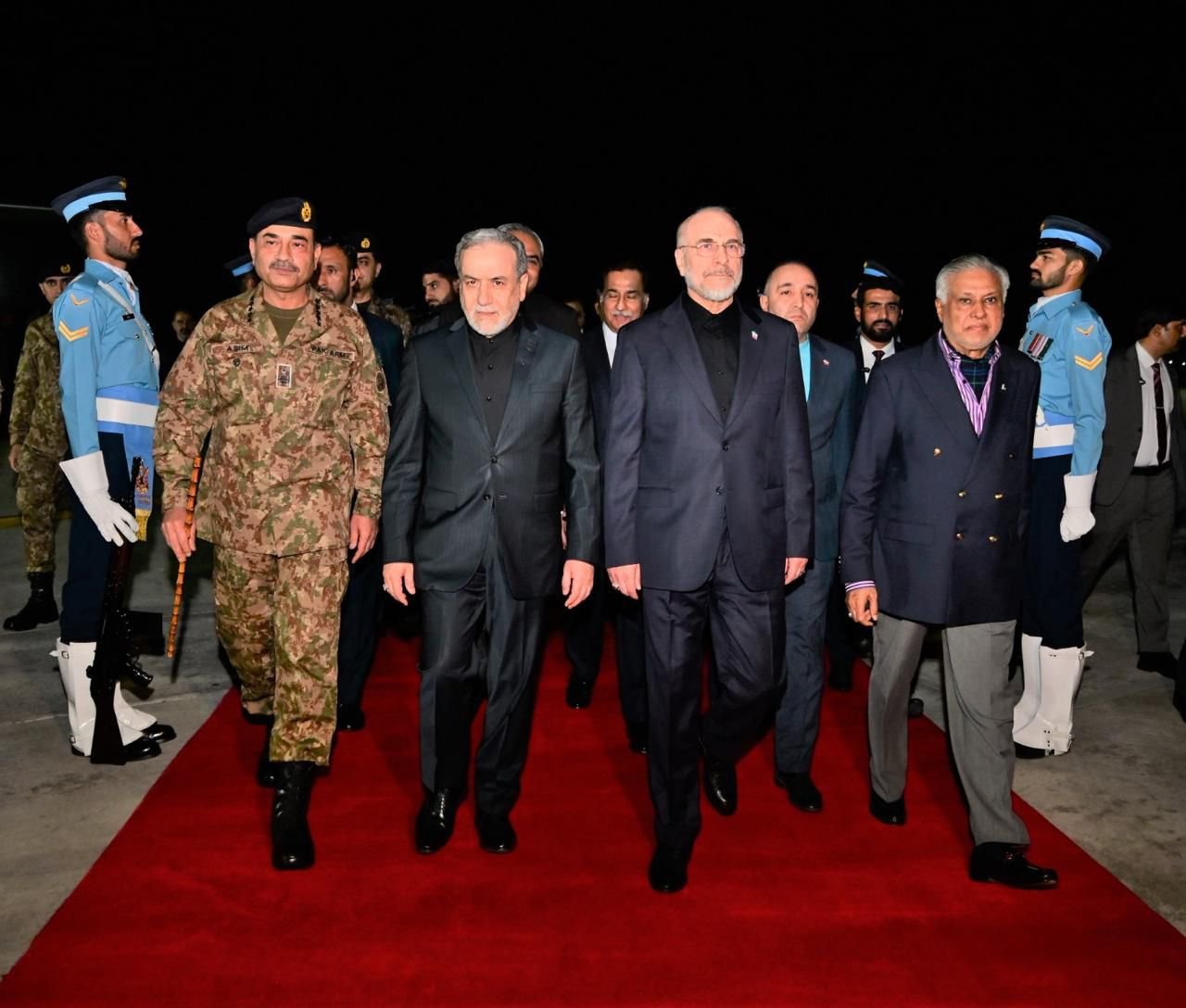
An Iranian delegation has arrived in Islamabad for expected talks with the United States, according to Iranian media reports, marking a significant step in ongoing diplomatic efforts. The delegation is led by Parliament Speaker Mohammad Bagher Ghalibaf, with discussions tentatively scheduled for Saturday afternoon, subject to certain preconditions set by Tehran.
Among the reported conditions is a halt to Israeli military actions in Lebanon, which Iranian officials have linked to the broader regional context surrounding the negotiations. The development comes amid heightened tensions and ongoing diplomatic maneuvering in the Middle East.
Talks Conditional on Regional Developments
Iranian news agency Tasnim reported that while preparations for the talks are underway, the start of formal discussions will depend on whether Tehran’s stated conditions are met. These include regional security concerns that Iran considers central to the negotiation framework.
The talks are being closely watched as they could signal a shift in diplomatic engagement between Iran and the United States, particularly following recent escalations in rhetoric and regional instability.
Iran Signals Confidence Ahead of Negotiations
According to University of Tehran academic Zohreh Kharazmi, Iran is entering the Islamabad discussions from a position of confidence. Speaking to Al Jazeera, she noted that the very occurrence of talks reflects a change in the US approach.
Also Read: JD Vance arrives in Islamabad ahead of US-Iran talks
Kharazmi said that earlier demands from former US President Donald Trump for unconditional concessions have given way to renewed dialogue, indicating a potential shift in negotiating dynamics.
She added that while not all of Iran’s key conditions may be addressed immediately, some could be considered in future rounds of discussions.
Strategic Importance of the Strait of Hormuz
Kharazmi also highlighted the strategic role of the Strait of Hormuz in Iran’s negotiating position. She said Iranian leadership continues to view control over the waterway as a critical source of leverage, particularly in the context of regional conflict and economic pressures.
The Islamabad talks are expected to play a key role in shaping the next phase of diplomatic engagement between the two countries, with regional stability and security concerns likely to remain central to the discussions.


 Today's E-Paper