
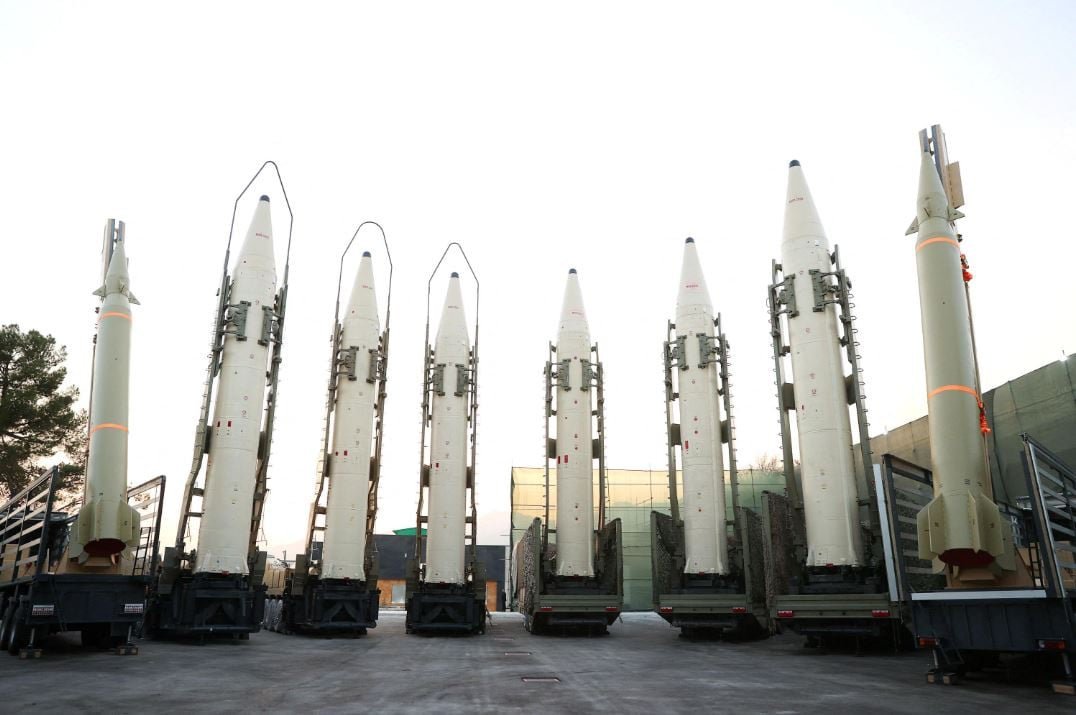
TEHRAN, Monday, September 21, 2026: Iran’s Islamic Revolutionary Guard Corps (IRGC) has warned that Tehran would deploy new weapons and strike previously untargeted locations if the United States launches another attack, as Washington said the door remains open for Iran to return to negotiations.
IRGC spokesman Hossein Mohebbi said Iran would significantly alter its military response in the event of renewed hostilities, including changing both the weapons used and the geographical scope of the conflict.
“If a new aggression occurs, we will certainly change the weaponry and the geography of the war,” Mohebbi said, according to Iran’s Fars news agency.
He said Iran had identified new targets that had not been struck during previous fighting and was prepared for a prolonged conflict.
The IRGC spokesman did not disclose details about the new weapons or potential targets.
His remarks came amid renewed tensions between Tehran and Washington and fresh diplomatic signals from the United States over the possibility of negotiations.
US says door remains open for Iran talks
In New York, US Ambassador to the United Nations Mike Waltz said the Trump administration remained determined to prevent Iran from acquiring a nuclear weapon but was still prepared to pursue negotiations.
Waltz said the “door is open” for Tehran to return to the negotiating table, although he maintained that Iran would have to engage seriously in any renewed diplomatic process.
Washington has continued to exert economic and diplomatic pressure on Tehran while signalling that negotiations remain an option.
Iran has repeatedly denied seeking nuclear weapons and maintains that its nuclear programme is intended for peaceful purposes.
The confrontation over Tehran’s nuclear activities has remained a major source of tension between Iran and the United States.
Iran reached a nuclear agreement with world powers in 2015 that placed restrictions on its nuclear programme in exchange for sanctions relief. US President Donald Trump withdrew Washington from the agreement in 2018 during his first term in office.
Efforts to restore a diplomatic framework have since faced repeated setbacks.
The latest exchange of warnings and diplomatic signals comes as tensions across the Middle East remain elevated, with the Iran-US confrontation and security around the Strait of Hormuz continuing to carry implications for regional stability and global energy markets.