
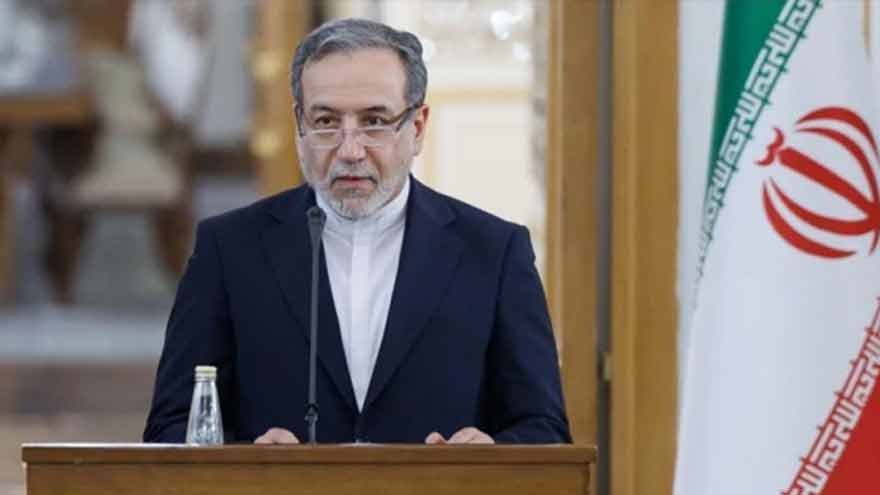
TEHRAN, September 13: Iranian Foreign Minister Abbas Araghchi said talks in Oman on Monday will focus on a proposed new maritime route through the Strait of Hormuz, while stressing that the discussions should not be interpreted as a full reopening of the strategic waterway.
Araghchi said Tehran would present details of its understanding with Oman, including a map of the proposed route, during the meeting with regional states. He also linked any broader reopening of the strait to US compliance with commitments contained in an earlier understanding reached in Islamabad.
The Strait of Hormuz remains one of the world’s most important energy chokepoints, and any change to shipping arrangements through the passage carries significant implications for oil markets, commercial traffic and regional security.
Oman Talks to Focus on Shipping Arrangements
Araghchi said the Iran-Oman arrangement concerns a new route for maritime traffic and does not amount to a decision by Tehran to reopen the strait fully.
Iran and Oman have been discussing temporary shipping arrangements through the waterway, with earlier talks producing agreement on a new transit corridor. Tehran has maintained that a permanent return to normal shipping remains conditional on wider political and security issues.
Araghchi also said regional countries should take primary responsibility for security and stability in the Gulf.
He expressed hope that Monday’s talks could create space for broader consultations on other regional issues.
Hormuz Tensions Keep Energy Markets on Edge
The talks come amid heightened security concerns around the strait. A commercial vessel was struck near Qeshm Island on Sunday, further underlining the risks facing shipping in the region.
Recent attacks in the Gulf and on Saudi infrastructure have also added pressure to global energy markets, with fears that prolonged disruption could affect oil supplies and shipping flows.
The Oman meeting is therefore expected to draw close attention from Gulf states, energy markets and international shipping operators as they assess whether the proposed route can ease pressure on one of the world’s most sensitive maritime corridors.