
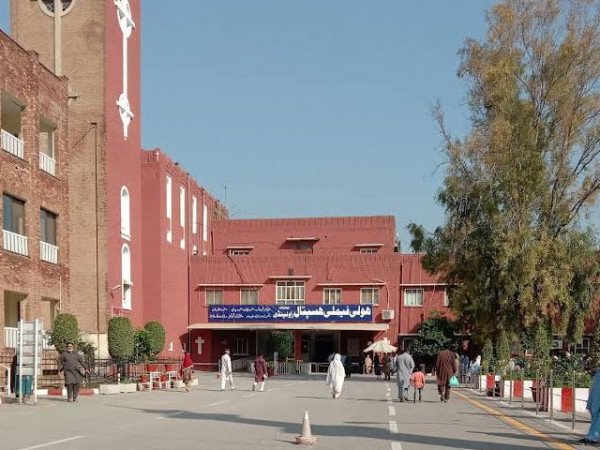
A Punjab Chief Minister’s Inspection Team report has revealed alleged financial irregularities, shortages of medicines and administrative mismanagement at Holy Family Hospital Rawalpindi, raising serious concerns about procurement procedures, staff attendance and the provision of healthcare facilities to patients.
According to the report, the hospital is purchasing medicines worth Rs500,000 to Rs700,000 daily through local procurement, while purchases worth Rs100 million were made through quotations within just four months.
The inspection team identified shortages of approximately 110 types of medicines and 80 to 90 types of surgical supplies at the hospital.
Medicine Shortages and Procurement Concerns
The report highlighted discrepancies between medicine stock records and physically available supplies at the emergency pharmacy.
It further stated that patients in the gynaecology ward were being forced to purchase essential medicines and medical supplies from outside pharmacies due to shortages at the hospital.
The inspection team also raised concerns about the hospital’s procurement system, noting that only 195 items were finalised out of 431 listed in the first tender.
Delays in Medical Tests and Treatment
According to the report, patients have to wait between one and a half to two months for ultrasound examinations.
The absence of a histology specialist has also delayed biopsy reports. In one reported case, a child’s biopsy sample was allegedly lost, and the family had not received the report despite waiting for two months.
The report further highlighted a shortage of hospital beds, forcing emergency patients to lie on the floors of corridors.
Pregnant women were reportedly facing waiting periods of up to four hours to access doctors in the outpatient department (OPD).
Questions Over Cleaning and Security Contracts
The inspection team also identified alleged irregularities in the hospital’s cleaning contract.
According to the report, against the required strength of 214 cleaning workers, only 40 to 50 per cent of the workforce was deployed.
Similarly, although the security contract covered 100 personnel, only 20 security guards were found present at the hospital.
The inspection report expressed serious reservations about the hospital’s procurement procedures, store management, staff attendance and provision of basic medical facilities.
The findings have raised broader questions about administrative oversight in public hospitals and the availability of quality healthcare services for patients.